

How to Prepare for Roof Installation in Hollywood, FL
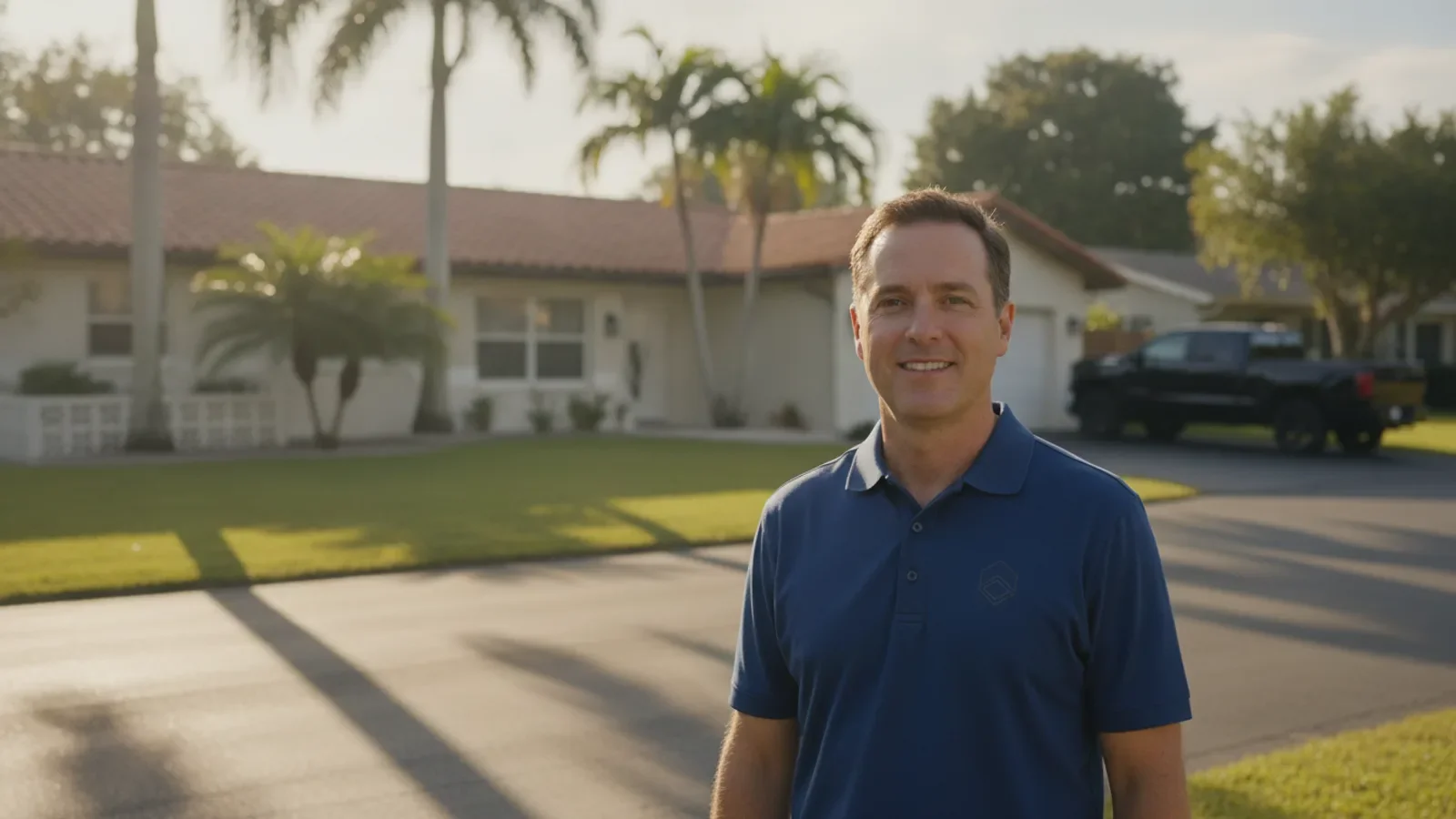
Skip the preparation and a major roofing project turns your South Florida home into a safety hazard. That damage is preventable. When heavy shingles, underlayment, and metal flashings are stripped away, your entire property becomes an active construction zone. Vibrations travel through the walls, debris falls from the eaves, and heavy machinery moves across your driveway. An unprepared house pays for it. Broken valuables inside, damaged landscaping outside, and flat tires from stray nails.
Readying your home properly is what keeps the job fast, safe, and tidy. For homeowners in Hollywood, Florida, this preparation is also about safeguarding your property against sudden coastal weather shifts during the changeover from old roof to new. Work through a clear checklist and the house is ready. Our crew handles the rest. Knowing the logistical steps also helps you grasp the overall scope, which pairs naturally with our guide to what shapes replacement budgets in Hollywood.
Before You Start: Preparation Essentials
Before the roofing crew arrives with heavy materials, gather these essential items and make these initial arrangements to protect your belongings:
- Tarping or plastic sheeting to cover items in your attic or garage.
- Sturdy storage bins for fragile interior decorations.
- A designated, safe off-site parking spot for your personal vehicles.
- A plan to temporarily relocate pets and inform neighbors of the upcoming noise.
- Clear access routes around the perimeter of your home for the crew and equipment.
Step 1: Secure Your Attic and Garage Spaces
The constant hammering on your roof deck sends strong vibrations throughout the upper levels of your home. Dust, old wood shavings, and small debris shake loose. They come down through the gaps in your attic ceiling. Before work begins, climb up to your attic and drape large plastic tarps or drop cloths over any stored holiday decorations, luggage, or heirloom boxes. If you use your garage for open storage or as a workshop, apply the same protection there, as many garage ceilings are uninsulated and prone to falling dust during a tear-off.
Step 2: Clear the Driveway and Parking Areas
Your driveway needs to be completely clear of personal vehicles, trailers, and boats before the crew arrives on the first morning. They need to park close to the roofline. Heavy dump trailers and material delivery trucks both. Parking your cars down the street or at a neighbor's house also keeps them safe from accidental damage caused by falling tiles, shingles, or stray nails. That same space is where your materials land, modern metal panels or traditional clay tiles, as discussed in our guide on choosing between metal and tile roofing in South Florida.
Step 3: Protect Your Landscaping and Patio Furniture
Falling debris is an unavoidable part of stripping an old roof. You can protect your yard by moving all patio furniture, grills, potted plants, and lawn ornaments far away from the perimeter of your home, preferably placing them inside a shed or at the very back of your yard. Cut your grass short a day or two before the project begins. Short grass gives the magnetic sweeps a clear path. Every stray nail is easier to find. For prized ornamental plants or delicate hibiscus bushes near the roofline, place lightweight wooden A-frame structures or heavy-duty tarps over them to deflect stray debris.
Step 4: Remove Fragile Wall Decor and Interior Valuables
The vibrations from roof installation do not stop at the attic floor; they travel down your drywall and plaster walls. Walk through your living spaces and temporarily remove hanging mirrors, family portraits, shelving units, and decorative plates. A nail can feel secure and still let go. Days of hammering directly overhead loosen wall hangers. Place these items in secure storage bins on the floor until the project is finished. While you are at it, glance at your lighting fixtures and chandeliers; if you have loose glass shades or delicate crystals, consider securing or removing them temporarily.
Step 5: Ensure Safety for Children and Pets
A residential roof replacement is a major undertaking: loud, fast-moving, and hazardous while it lasts. Pets take this badly. Nail guns, tearing shingles, and constant footsteps overhead are a lot of noise. Keep dogs and cats indoors in a quiet, central room with a television or white noise machine playing, or board them with a local professional for the duration of the heavy construction. For children, establish strict boundary rules. Explain that the yard is a temporary construction zone and that they must not play outside until the crew has completely cleared the site and completed their final safety sweep.
Step 6: Coordinate Power Sources and Exterior Access
Roofing contractors use a variety of specialized power tools that require a reliable electrical source. Ensure your exterior power outlets are functional and fully accessible. No working outdoor outlets? Tell our team in advance. We can run extension cords through a garage window or bring portable generators. Keep your gates unlocked, too, so the crew can move freely around the entire perimeter of your home to catch debris and clean up as they go. If you have locked security gates, make sure to share the gate code or key access with the project manager before day one.
Step 7: Inform Your Neighbors Ahead of Time
A little courtesy prevents a lot of friction. Let your immediate neighbors know when your roof installation will begin and how long it is expected to take. Inform them that there will be early morning noise, increased traffic from work trucks, and potential dust in the air. This gives them the opportunity to plan their own outdoor activities, park their vehicles in a safe spot, and keep their own pets indoors while the heavy work is underway on your property.
The Reality of Roofing in Hollywood's Unique Coastal Climate
Hollywood weather sets the schedule. Preparing here means knowing the coastal conditions local crews plan around. Our local climate is characterized by high humidity, intense solar heat, and sudden, torrential afternoon rainstorms that can roll in off the Atlantic with very little warning. A professional roofing team must monitor the radar constantly, stripping only what can be safely dried in with synthetic underlayment before the daily rain arrives.
The codes are strict for a reason. Tropical storms and hurricanes mean residential structures here have to withstand extreme wind forces. Your preparation clears the way for an installation that must meet these high-velocity hurricane zone standards. Local engineering knowledge matters here. You can learn more about how these local regulations affect the engineering of your roof by reading our breakdown of the wind load roofing requirements in Hollywood.
When to Call a Professional in Hollywood
While preparing your yard, securing your valuables, and protecting your landscaping are tasks you can easily handle yourself, the actual installation of a roofing system is strictly a job for licensed, insured professionals. A sloped roof is genuinely dangerous. Improper installation is worse: catastrophic leaks and voided manufacturer warranties.
Ceiling stains? Missing shingles? A roof reaching the end of its natural lifespan? Call a local expert. Our team at USA Roofing and Construction Inc can assess your current system and guide you through the process from initial inspection to final clean-up, ensuring your home remains secure, dry, and fully code-compliant.
Frequently Asked Questions
How long does a typical roof installation take?
Most single-family homes in South Florida need three to five days for the tear-off and installation itself. Rain moves it. So do complex roof designs and the detailed inspections municipal building officials require.
Do I need to leave my house during the installation?
You are not required to leave your home, but many homeowners find it more comfortable to plan day trips or work away from the house due to the constant, loud noise overhead. If you work from home or have young children who nap during the day, making alternative arrangements during active construction hours is highly recommended.
Will the roofing crew clean up all the fallen nails?
Yes, a professional roofing crew performs thorough, daily clean-ups of the yard and driveway using heavy-duty magnetic sweeps to collect fallen nails and metal debris. Cutting your grass short before the job starts gives those magnets a much better chance of finding every stray fastener.