

Evaluating Roof Replacement Cost Factors in Hollywood, FL
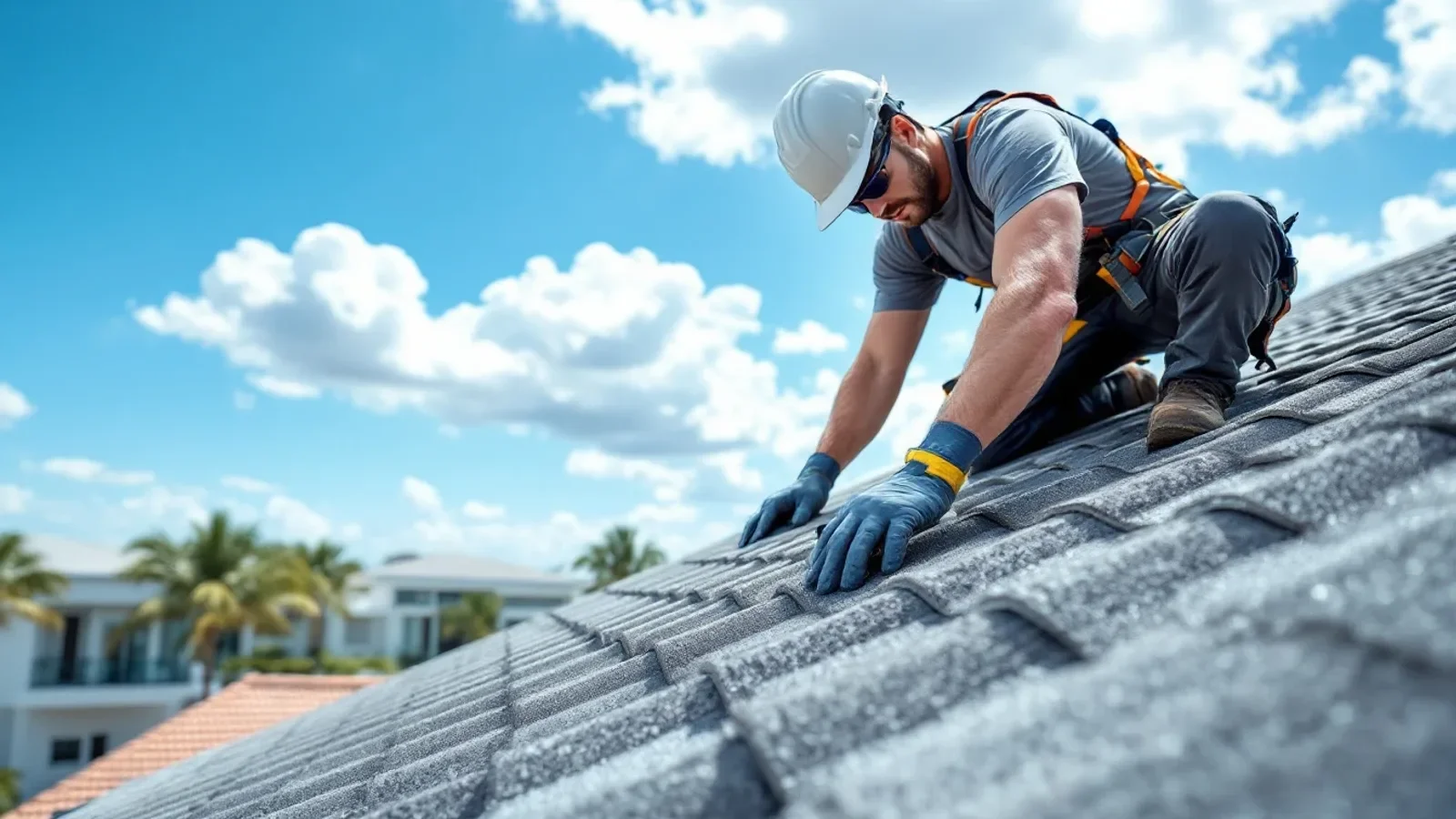
You step onto your patio after a heavy summer downpour and notice a dark streak running from the eaves, feeding a puddle at the foundation that never quite dries. In Hollywood, Florida, humidity, blazing sun, and sudden tropical downpours are part of daily life. A compromised roof here is more than an eyesore. It is a structural vulnerability. Upgrading your home with a new roof is one of the most significant investments you will make as a property owner. What it costs comes down to three things: local building codes, structural demands, and material choices.
At USA Roofing and Construction Inc, we work closely with homeowners to navigate these moving parts, ensuring your property remains dry and secure through every season. Plan the details and the long-term decisions get easier.
The Primary Drivers of Broward County Roofing Budgets
Square footage is where most homeowners start. It is not the whole story. In reality, several distinct variables shape the scope of a replacement project. The unique architecture of South Florida homes, combined with the strict municipal standards of Broward County, means every project requires an individualized assessment.
The total surface area of your roof, measured in roofing squares (one square equals one hundred square feet), serves as the baseline for material volume and labor hours. Roof shape matters just as much. It decides how that labor is distributed. A simple gable roof with two flat sloping sides requires far less cutting and sealing than a multi-faceted hip roof with complex valleys, dormers, and intersections. Steep slopes need specialized safety equipment and a slower, more deliberate install. That adds hours.
Beyond the visible layout, the number of penetrations, such as chimneys, skylights, plumbing vents, and attic exhaust systems, increases the detail work required. Every penetration must be carefully flashed and sealed to prevent water intrusion. Have older skylights? Replace them during the tear-off. Retrofitting them later is far more complex and costly.
How Material Selections Impact Long-Term Value
Materials do more than set curb appeal. They dictate how the structure responds to intense heat and salt-air exposure. Each material category carries its own installation requirements, weight considerations, and expected lifespan.
Asphalt Shingles
Asphalt shingles are still the common choice. The draw is upfront affordability and a straightforward installation. Modern dimensional or architectural shingles offer improved wind resistance compared to older three-tab designs. However, in our warm, humid climate, shingles are subject to thermal shock and UV degradation, so they wear out faster here than the same shingles do up north.
Concrete and Clay Tiles
Tile roofing is a signature aesthetic across our local neighborhoods. Beyond their classic look, clay and concrete tiles are highly durable and offer excellent thermal resistance, helping to keep attic spaces cooler. Tiles are heavy. A professional has to verify that your home’s framing can support the load. For a detailed comparison of how these systems hold up against alternative materials, you can read our guide on how metal and tile roofs compare locally.
Metal Roofing Systems
Metal panels, whether standing seam or exposed fastener profiles, are exceptionally resilient against high winds and shed water rapidly. They reflect a high percentage of solar radiation, which can help lower cooling demand. A metal system costs more upfront than shingles. Over several decades, its durability and minimal maintenance often make it the cheaper choice.
The Importance of the Underlayment and Decking
The outer material gets all the attention. The real defense lies beneath it. In Broward County, what happens under the shingles or tiles is strictly regulated to prevent catastrophic failures during major weather events.
Once the old roofing materials are completely stripped away, technicians must inspect the wood decking underneath. Any soft, rotted, or water-damaged plywood has to be cut out and replaced. What goes back is sound wood. If a home has suffered unnoticed leaks, the cost of replacing damaged decking can add up, making a professional pre-inspection vital.
Modern building codes require far stronger underlayment systems. Instead of traditional felt paper, high-performance synthetic underlayments or self-adhering secondary water barriers (commonly known as peel-and-stick) are the norm. The peel-and-stick option seals directly to the roof deck, providing a crucial secondary line of defense that keeps water out even if the primary shingles or tiles are compromised by strong winds.
Understanding the Broward County Wind-Load Environment
Living along the Atlantic coast means our structures are subjected to some of the most demanding environmental pressures in the United States. Hollywood falls squarely within the High-Velocity Hurricane Zone (HVHZ), which dictates specific construction methods to protect properties from wind-driven rain and structural uplift.
Local building codes require roof systems to withstand wind speeds exceeding 170 miles per hour, depending on the exact location and building height. Every nail, adhesive, underlayment, and metal flashing strip must carry the required product approval. No exceptions. Installers must adhere to precise fastening patterns, often requiring extra nails per shingle or specific screw spacings for metal panels.
These stringent requirements directly impact the overall project scope. More fasteners, heavier underlayments, and specialized flashing systems all add labor and material. That is the trade. Investing in a code-compliant installation, though, is what prevents major structural failure during a tropical storm. These regional standards go deeper than most homeowners expect; for the full picture, see what the wind-load rules require in Hollywood.
A Direct Comparison of Roofing Material Attributes
To help you weigh your options, the table below outlines the key performance characteristics, relative weight considerations, and typical lifespans for the most common materials used in our area.
| Material Type | Typical Lifespan | Wind Resistance Level | Weight Profile | Primary Benefit |
|---|---|---|---|---|
| Architectural Shingles | 15 to 20 years | Standard to High | Lightweight | Lower upfront material costs |
| Concrete / Clay Tile | 40 to 75 years | Excellent | Heavy (Requires structural check) | Classic look & superior thermal mass |
| Standing Seam Metal | 40 to 70 years | Exceptional | Light to Moderate | Top wind rating & heat reflection |
How Local Climate and Age Shape Hollywood’s Housing Stock
The residential landscape in Hollywood, Florida, features a diverse mix of postwar ranch homes, midcentury-modern designs, and newer multi-story coastal properties. Many of our established neighborhoods, such as Hollywood Lakes, Emerald Hills, and Hollywood Hills, are filled with homes built between the 1950s and 1980s. Those houses bring their own challenges to a replacement.
For instance, homes constructed decades ago may not have their roof trusses securely tied to the concrete wall structures using modern hurricane straps. When replacing a roof on an older home, addressing these structural connections is often necessary to meet current safety codes. Older homes are also more likely to have spaced board sheathing rather than solid plywood decks. New plywood goes down first. Only then can a modern underlayment be installed.
Our coastal environment also accelerates the wear and tear on roofing components. Salt mist from the nearby ocean corrodes standard metal flashings and fasteners. It is slow, and it is relentless. In these coastal zones, using corrosion-resistant fasteners, like stainless steel or hot-dipped galvanized hardware, is essential to ensure the roof remains structurally sound for its intended lifespan.
Offsetting Costs with Insurance and Wind Mitigation
While a full replacement requires careful financial planning, homeowners in South Florida have access to a valuable tool that can offset long-term housing costs: the wind mitigation inspection.
When you replace your roof with a fully code-compliant system, a licensed inspector can document the upgrades, such as the presence of a secondary water barrier, improved roof-to-wall connections (hurricane clips), and enhanced deck nailing patterns. Florida law requires admitted insurers to offer premium discounts for homes with certified wind-resistant features. In many cases, the reduction in annual homeowners insurance premiums helps recoup a meaningful portion of the installation investment over time.
Deal with the roof before a storm, not after. If your roof is already showing signs of aging or minor damage, addressing it early prevents catastrophic interior water damage. To learn how to identify potential warning signs after a heavy storm, view our guide on how to spot storm damage on a Hollywood, FL roof.
Choosing the Right Partner for Your Replacement Project
South Florida weather makes this technical work. Partnering with a certified, local roofing contractor is the most important decision you will make. A local specialist knows the Hollywood Building Division and its permitting process. Your paperwork is right the first time. Inspections are not what holds the job up.
A professional team protects your property throughout construction. A little prep on your side still helps. Clearing space for heavy equipment and material drop-offs keeps the project moving. Wondering how the work itself unfolds, from permits to final inspection? See the day-by-day replacement process, and get your home ready with our preparation checklist.
At USA Roofing and Construction Inc, we emphasize thorough planning, quality materials, and strict adherence to Florida’s building standards. We stay with homeowners at every stage, from initial inspection to final sign-off. The roof keeps working long after we leave.
Frequently Asked Questions
Can I install a new roof over my existing shingles to save money?
No, and it is not a gray area. Florida building codes prohibit installing a second layer of roofing materials over an existing roof in the High-Velocity Hurricane Zone, which includes Broward County. A complete tear-off is required to inspect the underlying deck and seal it with a proper secondary water barrier.
How long does a typical home roof replacement take in Hollywood?
For an average single-family home, the physical tear-off and installation process typically takes three to five days. The timeline can shift, though, with weather, material selection, and the scheduling of mandatory municipal inspections.
Will my homeowners insurance cover the cost of a new roof?
It depends on the cause. Insurance typically applies when the roof has suffered sudden, accidental damage from a covered peril, such as a severe storm or fallen debris. Standard wear, age-related deterioration, and lack of maintenance are generally not covered, making routine inspections highly important.
How do I know if my roof needs a full replacement or just a repair?
Repair works more often than people expect. If leaks are isolated to a single area and the rest of the roof is in good condition, a targeted repair is usually enough. But if the materials are near the end of their expected lifespan, showing widespread curling, cracking, or loss of protective granules, a full replacement is the most reliable path forward.