

Metal vs Tile Roofing Lifespan in Hollywood, Florida
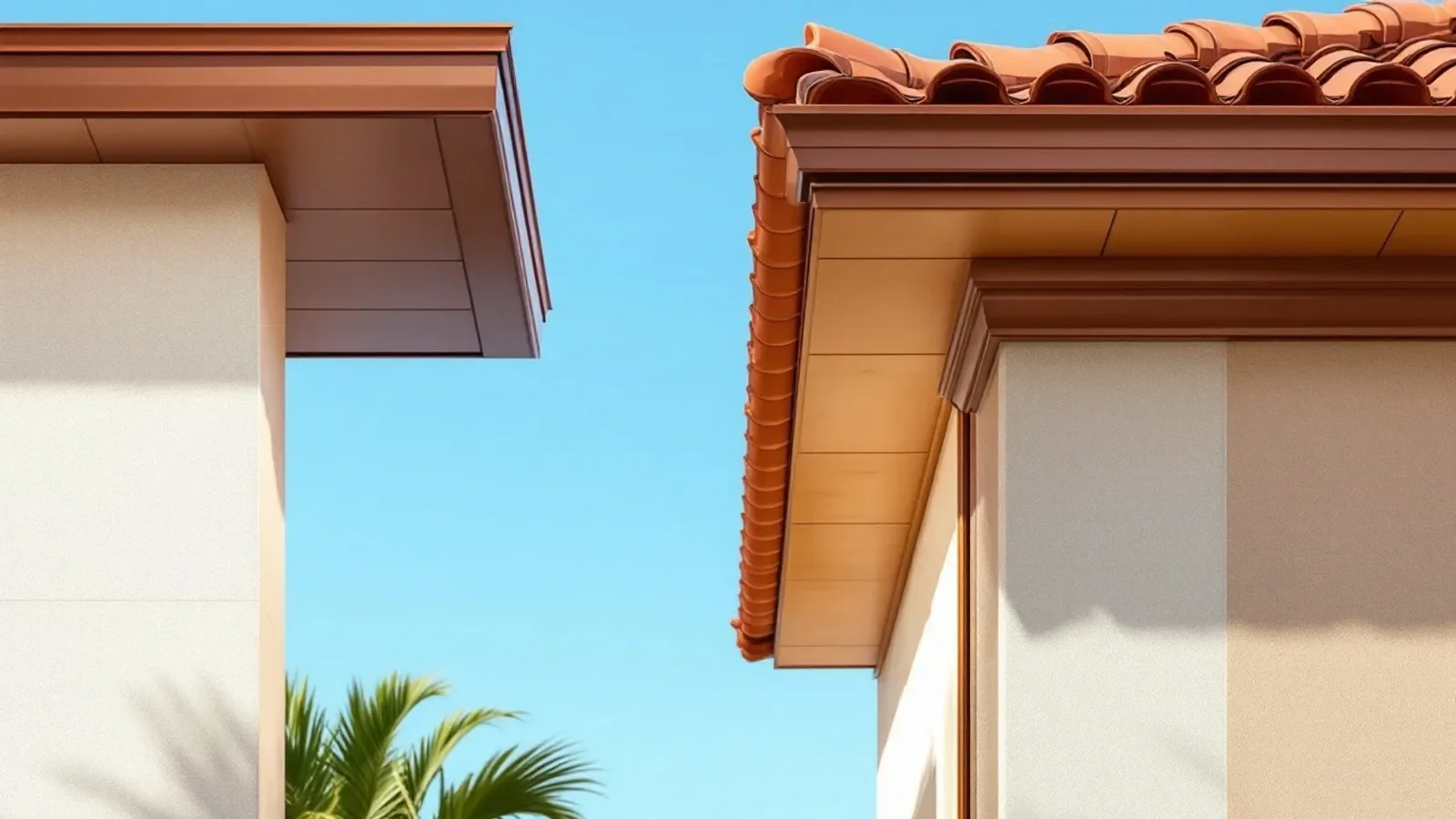
Which material actually survives longer against the relentless sun, humidity, and tropical wind of the Broward County coast? When comparing metal and tile roofing lifespans in Hollywood, Florida, homeowners are not just choosing an aesthetic style; they are deciding on a long-term defense system for their property. Both of these high-end materials can easily outperform traditional asphalt shingles. Real-world longevity is the harder question. It depends on local atmospheric conditions, the quality of the underlying components, and how well the roof is maintained over the decades. Understanding how these factors stack up helps you make an informed investment before you begin preparing your home for a new roof installation.
1. The Direct Impact of Hollywood's Coastal Climate on Longevity
Hollywood, Florida, presents a unique challenge for any structural material. The combination of high ambient humidity, intense ultraviolet (UV) radiation, and salt-laden air from the Atlantic Ocean accelerates the natural wear of building components. Clay and concrete tile roofing systems excel under intense UV exposure, as these dense, mineral-based materials do not warp, melt, or degrade when subjected to constant sunlight. The trade-off is weight. Tile roofing requires stronger framing, and the porous nature of concrete tiles can allow moisture to cling, fostering mild organic growth over time.
Metal roofing, on the other hand, relies heavily on advanced protective coatings to survive the coastal elements. Standard steel panels can oxidize rapidly if exposed directly to salt spray. Closer to the ocean, that means aluminum or PVDF-coated steel systems. Both resist rust and chemical breakdown. Metal reflects most of the sun's heat. But daily temperature swings make it expand and contract, and that constant movement stresses fasteners and seams. Professional installation quality is the single most critical factor in reaching the maximum possible lifespan.
2. Clay vs Concrete Tile Lifespan Expectations
Clay and concrete tiles look nearly identical stacked on a pallet. They age very differently. Chemical composition plays a major role in how long they remain viable. Authentic clay tiles are virtually impervious to the elements, often lasting seventy-five years or more when undisturbed. The firing process vitrifies the clay, making it highly resistant to water absorption and color fading. Concrete tiles are a more common, cost-effective alternative that still delivers an impressive service life of forty to fifty years. Concrete is naturally more porous than clay. It absorbs slightly more moisture, and over several decades that shows up as surface wear and color shifting.
The tiles are rarely the weak link. Whether you choose clay or concrete, they often outlive the waterproofing underlayment sealed beneath them. While the tiles themselves may still be sound after four or five decades, the asphalt-saturated organic felt or synthetic underlayment underneath typically requires replacement after twenty-five to thirty years. That means a tile roof may need a systematic lift and relay midway through its life. Fresh underlayment goes in. Slow, hidden leaks stay out.
3. Aluminum vs Steel Metal Roofing Performance
The alloy matters here. It dictates how well your roof stands up to the salt air blowing off Hollywood Beach. For homes within a few miles of the ocean, aluminum is widely considered the gold standard for metal roofing. Salt is the reason. Aluminum naturally forms an oxide layer that prevents deep corrosion. It will not rust even if the protective paint layer is scratched or chipped. Fifty years or more is realistic. An aluminum standing-seam roof can reach that without structural degradation.
Steel roofing systems, such as Galvalume, are highly durable and cost-effective. They are better suited to properties slightly further inland, where direct salt-spray exposure is minimized. Galvalume uses a zinc-aluminum alloy coating to protect the underlying steel base. The coating is the whole defense. If moisture or salt penetrates this coating, rust can form along cut edges or fastener holes. Longevity is only half the decision; the other half is budget. See what drives replacement budgets in South Florida to weigh upfront spending against how long each system lasts.
4. Wind Resistance and Storm Survivability
In South Florida, a roof's lifespan is often decided by one storm. Hollywood sits within the High Velocity Hurricane Zone (HVHZ). Its engineering standards for uplift resistance are strict. Metal roofing systems, particularly standing-seam panels, offer exceptional wind performance. The panels lock together and anchor with concealed clips directly to the deck. Nothing is left for the wind to catch. The panels can withstand wind speeds exceeding 170 miles per hour.
Tile roofs are also highly wind-resistant due to their sheer weight and modern attachment methods, such as structural adhesive foams and heavy-duty screws. Impact is the weak point. Tile roofs can be damaged by flying debris during a storm. While a metal roof might suffer a minor cosmetic dent from a falling tree branch, the same impact can shatter several clay or concrete tiles, leaving the underlayment beneath as the only thing holding water out. Homeowners should understand how to identify post-storm roof issues to prevent minor impact damage from compromising the integrity of the entire system.
5. Fastener Systems and the Vulnerability of Exposed Screws
Fasteners decide more than most people think. The method used to attach a roof to your home's decking plays a silent but large role in its ultimate lifespan. Exposed-fastener metal roofing, often called screw-down paneling, uses thousands of screws that penetrate the exterior of the metal. Each screw relies on a small rubber washer to keep water out. Over time, South Florida's intense heat causes these rubber washers to dry rot, crack, and pull away from the metal. Plan on replacing every screw every ten to fifteen years. Skip that and the leaking spreads.
Standing-seam metal roofs avoid this vulnerability entirely by using a concealed fastener system. The clips and screws are hidden beneath the interlocking seams, protected from UV rays and direct rain. Similarly, modern tile roof installations secure the tiles using advanced polyurethane foam adhesives or hidden mechanical fasteners. Protect the attachment points and you protect the roof. Both standing-seam metal and high-end tile installations prevent premature system failures caused by degraded fasteners.
6. Maintenance and Preservation Requirements
Neither roof is maintenance-free. Both need periodic care to reach the upper limits of their lifespan, and their needs look very different. Tile roofs are highly prone to biological growth, including dark algae, moss, and lichen. Because concrete tiles hold onto moisture, these organisms can root in the pores, retaining dampness and slowly wearing down the surface color. Gentle soft-washing keeps tile roofs clean. Never use high-pressure power washing. It erodes the protective slurry coat on concrete tiles and damages the delicate underlayment overlap.
Metal roofs are generally much lower maintenance. Their smooth surfaces shed water rapidly and do not easily support organic growth. They do need clearing, though. Heavy leaf accumulation and debris trap moisture against the metal and cause premature corrosion. For metal roofs, seasonal inspections should focus on checking the rubber boots around plumbing vent pipes and ensuring the flashing along valleys and walls remains sealed. Fastener patterns are also worth rechecking after any repair; for what today's standards expect, see our guide on local structural wind load codes.
Frequently Asked Questions
Does a metal roof make a house hotter in Hollywood, Florida?
No, the opposite. Metal roofs keep homes cooler by reflecting most of the sun's radiant heat. Many modern metal roofing systems feature cool-roof pigments that emit absorbed heat, reducing the load on your air conditioning system compared to dark asphalt shingles.
Can you walk on a tile roof to perform maintenance?
Walking on clay or concrete tiles is highly discouraged unless done by a trained professional. Tiles are fragile and can easily crack under localized foot pressure, which can damage the waterproofing underlayment below without your knowledge.
How do I know if my tile roof underlayment is failing?
Signs of underlayment failure include dark water stains on your interior drywall, dampness in your attic space, or visible rotting along the wood fascia boards around the edge of your roofline, even if the exterior tiles look perfectly intact.