

Hollywood Wind Load Requirements for Residential Roofs
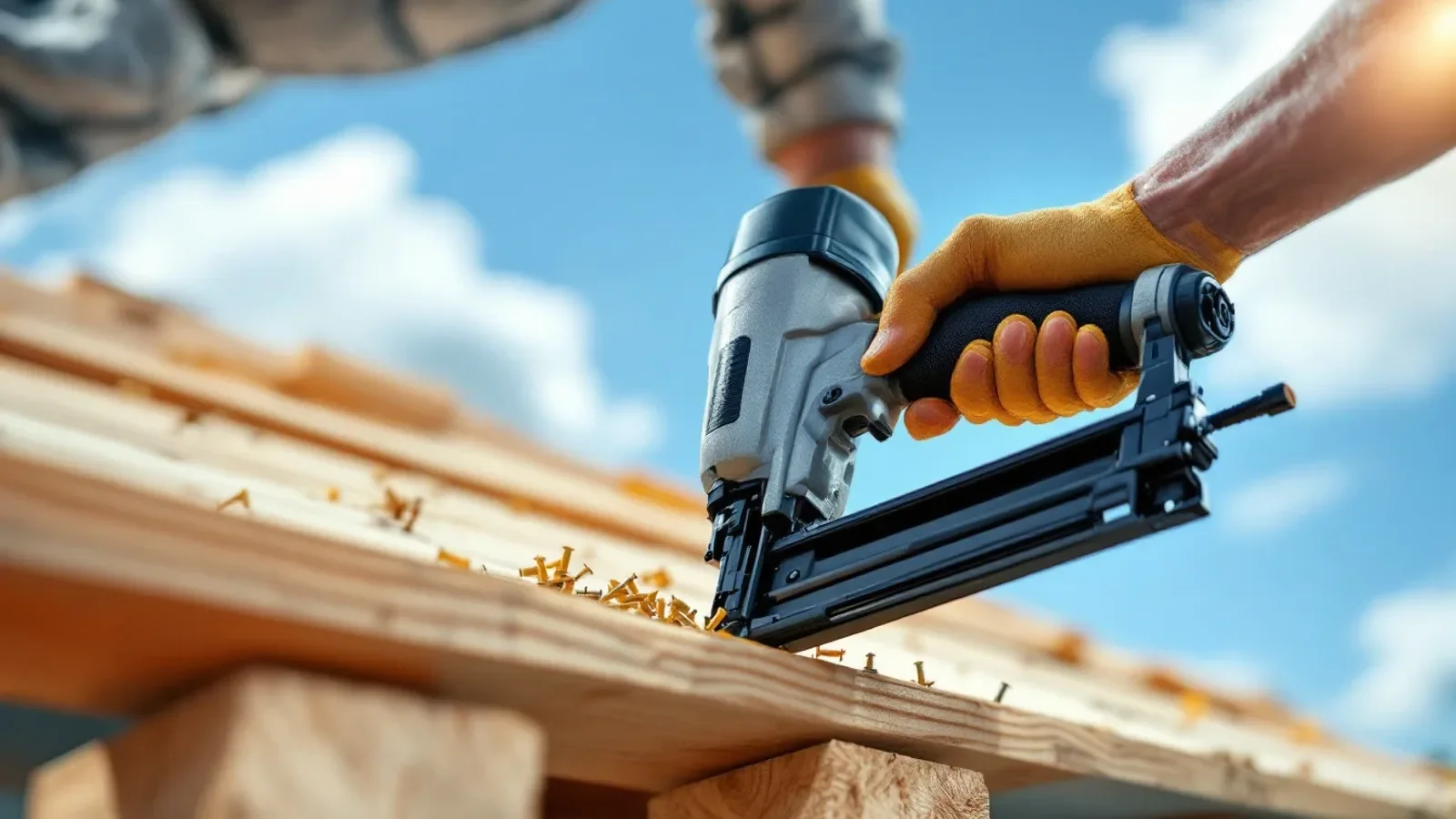
NOAA’s historical hurricane tracks show that Broward County has experienced dozens of tropical systems passing within fifty miles of its coastline over the past century. For homeowners in Hollywood, Florida, that history has a practical consequence. A roof here is not an aesthetic feature. It is the primary structural shield against extreme forces of nature. Local properties fall under some of the strictest building codes in the nation. Know the rules first. Every structural upgrade here starts with them.
What Are the Hollywood Wind Load Requirements for Residential Roofs?
The residential building standards along this coastline are defined by the High Velocity Hurricane Zone (HVHZ) classifications of the Florida Building Code. For properties in Broward County, including Hollywood, residential roofing systems must be engineered and installed to withstand basic wind speeds mapped between 170 and 180 miles per hour, depending on the risk category and the precise geographic location of the structure. Those numbers govern every component of your roof. Deck attachment, underlayment, the final outer material: all of it.
Meeting these criteria means that every system must possess product control approval, either a Miami-Dade Notice of Acceptance (NOA) or a statewide Florida Product Approval. When preparing for major upgrades, homeowners must recognize that these structural demands directly influence what a roof replacement costs in Hollywood because specialized materials, enhanced fastening schedules, and rigorous permitting processes are mandatory to satisfy local building officials.
How Does the High Velocity Hurricane Zone (HVHZ) Standard Protect My Home?
The High Velocity Hurricane Zone is a specialized designation within the Florida Building Code that applies specifically to Broward and Miami-Dade counties. This classification exists because this stretch of coast faces a significantly higher risk of experiencing intense, sustained hurricane-force winds and rapid pressure fluctuations. Standard national nailing practice is not enough here. Under the HVHZ standard, a system must be tested and proven to resist the uplift forces that try to peel a roof off the structure.
Under these stringent regulations, every layer of the roof is engineered as an integrated system. That means thicker plywood decking. It means ring-shank nails driven at tight intervals. And it means heavy-duty water-barrier underlayments. By enforcing these advanced construction methods, the HVHZ framework minimizes the likelihood of catastrophic structural failures during a major storm, protecting both your household and the surrounding neighborhood from flying debris.
Why Is Wind Uplift Resistance Crucial for Coastal Florida Houses?
Wind does not push a roof down. It lifts it. When high-velocity wind sweeps across a house, the roofline works like an airplane wing and creates a pressure differential. Air accelerating over the roof creates a zone of low pressure above the surface, while the higher-pressure air beneath pushes upward, producing the suction force known as wind uplift. If a roofing system lacks the necessary structural resistance, this suction can rip shingles, tiles, or metal panels clean off the decking, leaving the interior of the home completely exposed to torrential rainfall.
In coastal neighborhoods, wind uplift is particularly intense near the edges, eaves, and ridges of the roof. Local codes answer that with enhanced fastening patterns along those perimeter zones. The edges matter most. Whether you are opting for a traditional shingle layout or a sleek standing-seam system, securing these critical junctions properly prevents the initial peeling action that often leads to widespread system failure during a severe weather event.
What Special Roofing Challenges Exist in Hollywood’s Climate?
The coastal environment of Hollywood, Florida, presents a unique set of meteorological challenges that accelerate wear and tear on residential properties. Our local geography exposes homes to intense ultraviolet radiation, persistent high humidity, salt-laden sea air, and relentless heat-and-rain cycling. That combination makes roofing materials expand and contract rapidly. The process is called thermal shock. Over time it weakens adhesives and works standard fasteners loose.
The local building stock is mixed. It runs from mid-century single-family homes to coastal ranch properties and contemporary multi-story residences. Older structures often feature framing and decking systems that require significant retrofitting to meet modern wind-resistance codes. Ensuring that older wood decks are re-nailed to satisfy current uplift criteria is a standard, yet critical, step during any modern structural update in our area.
How Do Different Roofing Materials Stand Up to Severe Winds?
Different materials offer varying levels of inherent wind resistance, though all must meet the baseline HVHZ standards to be legally installed in our city. Asphalt shingles are popular and cost-effective. They must still carry specialized wind-resistance ratings and follow specific high-wind nailing patterns to prevent blow-offs. Concrete and clay tiles are heavy and exceptionally durable. Weight alone does not hold them down. They depend on strong mortar, foam adhesive, or mechanical screw attachments to stay anchored in high winds.
Metal panels, particularly standing-seam configurations, are widely recognized for their superior wind-uplift performance because the fasteners are completely concealed and protected from the elements. Our guide comparing metal and tile systems breaks down which material suits your home best. Whatever the material, installation is what decides storm survival.
What Permits and Inspections Are Required for Local Roof Installations?
In Hollywood, Florida, you cannot legally replace a residential roof, or perform major structural repairs on one, without obtaining a building permit from the city. The permit application is uniform, and it lists the product approval numbers for every roofing material used. Every one of them. This paperwork proves to the city that the proposed system is rated to meet the local wind velocity requirements.
Municipal inspectors show up at key stages. They are there to verify compliance. Typically, an inspector must examine the roof deck after the old materials are removed to ensure the plywood is securely fastened to the rafters. They will also verify the underlayment installation before the final outer roofing material is applied. Skipping these inspections or working without a permit can result in heavy fines and stop-work orders, and may invalidate your homeowners insurance policy.
How Can Homeowners Identify Wind Damage Early?
Identifying subtle signs of wind damage early can prevent minor issues from escalating into major water intrusion problems. After a severe storm, inspect the property from the ground with binoculars. Stay off the roof. Look for lifted, creased, or missing shingles, loose ridge caps, or cracked tiles along the hips and valleys. Even if a shingle is still attached, a strong wind gust can break its adhesive seal, allowing water to seep underneath during the next rainstorm.
Inside the home, look closely at ceilings and walls for water stains or peeling paint, which often indicate that wind-driven rain has forced its way beneath the roofing material. If you suspect your home has sustained damage, you can read about identifying storm damage on Hollywood roofs for the telltale signs before contacting a professional for an official inspection.
What Steps Should Be Taken to Prepare for a New Roof Installation?
Getting a new, wind-resistant roof installed is a major construction project that requires careful coordination. Before the crew arrives, homeowners should secure both the exterior and interior of their property. Tear-off and nailing shake the walls. Wall-mounted mirrors, art, and loose shelving can fall and break. Clearing the driveway and moving patio furniture away from the house also give workers safe access and prevent accidental damage from falling debris.
Additionally, keeping pets indoors and informing neighbors about the upcoming project make the whole job easier on everyone involved. For the step-by-step version, see our guide to preparing for a local roof installation.