

Your Tile Roof and Your Insurance Carrier: What Gets Checked
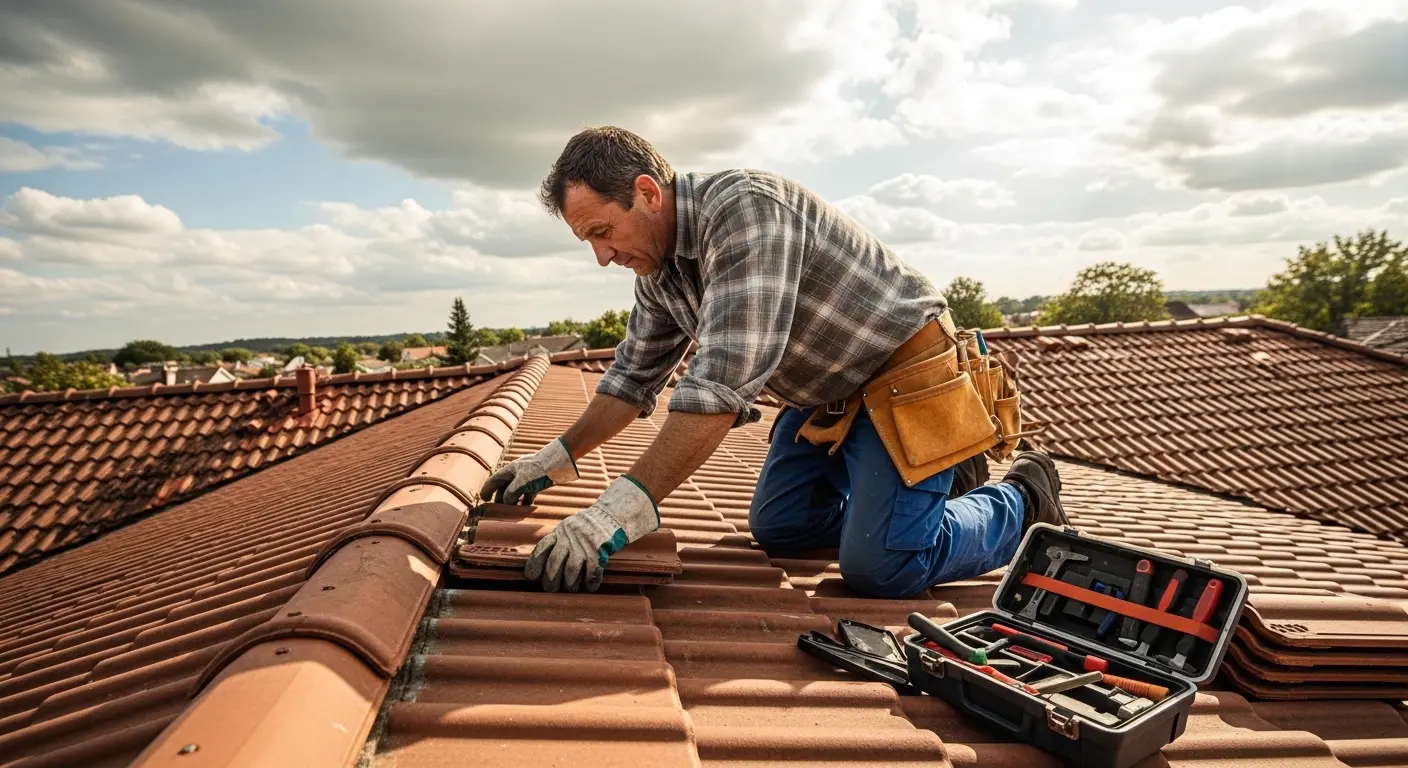
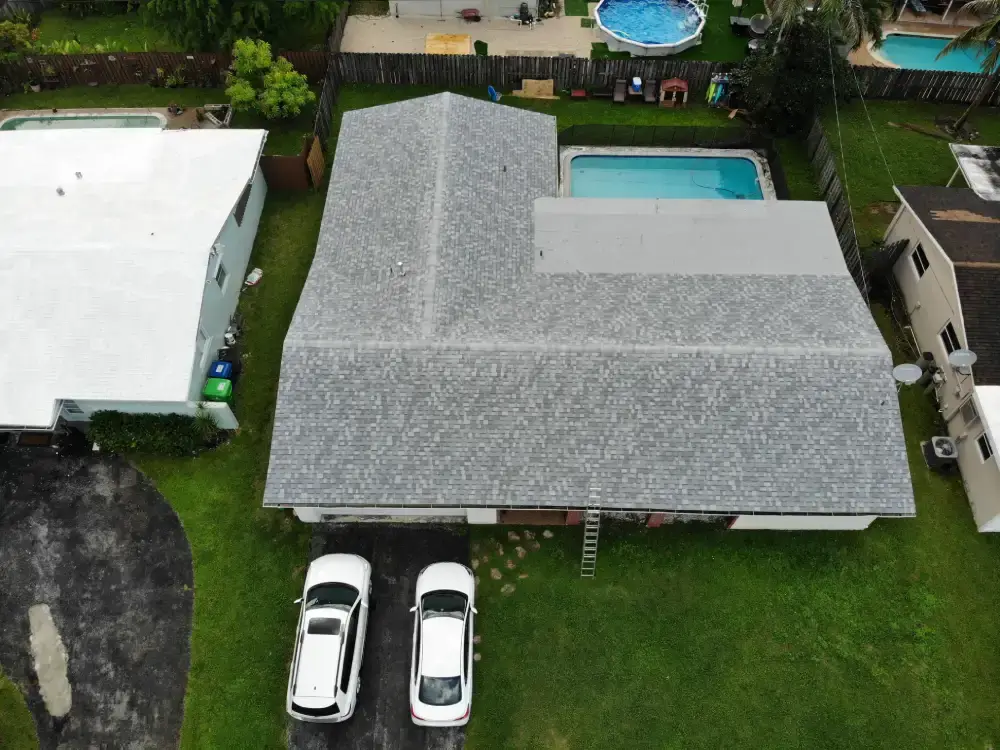
Tile owners get a version of the insurance conversation nobody else gets. Your neighbor with shingle knows roughly where they stand, because a shingle roof is 18 years old and everybody agrees that means something. Your tile roof might be 45 years old with a membrane replaced twelve years ago, or 20 years old with the original underlayment still under it, and those two roofs are in very different condition while looking identical from an aerial photograph. The underwriter has to decide which one you are, and the tools they use to decide are documents rather than judgment.
The general rules on roof age, non-renewal letters and the wind mitigation form apply to you the same as to anyone else, and we set them out in full in Florida homeowners insurance roof requirements. Reading that first will save time here. This post is only about what changes when the roof is tile: the age problem created by two components with different lifespans, the lines on the mitigation form that behave differently, the product approval documentation the High Velocity Hurricane Zone demands, and the attachment method under your tile.
One caution before any of it. Nobody can promise you an outcome with a carrier, and any contractor who tells you a particular roof guarantees coverage, a specific premium or a claim approval is selling rather than advising. What you can do is make sure the roof is documented properly, and that the documents say what the roof actually is. That is genuinely most of the battle.
The short version
- Carriers commonly treat tile as a hard covering with a later age threshold than shingle, but the underlayment is the real clock
- A permitted re-lay creates a new final inspection date, which is what an underwriter reads as roof age
- The roof covering line on a wind mitigation form needs the permit date and product approval to be credited properly
- In the HVHZ, tile is approved as a complete system: tile, underlayment, attachment and fasteners together
- Mortar set, foam adhesive and mechanical attachment are three different uplift stories and inspectors look at which you have
How a carrier ages a tile roof when the tile outlives the membrane
Insurance guidelines generally split roof coverings into soft and hard categories, and tile sits with the hard ones alongside metal, slate and concrete. That works in your favor on the headline number, because hard coverings are commonly given a longer age threshold before an inspection is demanded than shingle is. Citizens, whose published thresholds are the ones most homeowners actually encounter, uses a considerably later age for hard coverings than for soft. Private carriers set their own appetite and many of them are stricter than the state-backed option.
The trouble is that the threshold is written about the covering, and the covering is not the part that fails. Your tile can be entirely sound at 45 while the membrane beneath it, which is the actual waterproofing, has been finished for a decade. From the carrier side that distinction is invisible. All they can see is a tile roof and a date, and the date they use comes from the permit record rather than from the roof.
Which is exactly why the permit matters more on tile than on any other material. A re-lay, where the tile is lifted, the underlayment is replaced and the same tile is set back down, is permitted and inspected work with a final inspection date attached to it. That date is what appears in the record. You have not bought new tile, but you have bought a new waterproofing system, and the file now shows it. If you have not read how a tile re-lay works, that is the piece that makes this section make sense.
Before you assume your roof is 40 years old, look up the permit history on your address with your county building department. Homeowners routinely discover a re-roof or a re-lay was permitted by a previous owner, and that date, not the age of the tile, is the one an underwriter is working from.
What a wind mitigation inspection looks at on a tile roof
A wind mitigation inspection documents specific construction features on a standardized state form, and every Florida carrier reads that form the same way. The seven items and what each one means in general are covered in our insurance requirements post. What is worth knowing here is that two of those lines behave differently when the covering is tile, and both of them can cost you credit if the paperwork is thin.
The first is the roof covering line. The inspector is not grading how your tile looks. They are trying to establish that the covering was permitted and that it meets current product approval standards, and the evidence they want is a permit with a date and a product approval or Notice of Acceptance number for the system installed. On a tile roof that documentation is frequently missing, because the work was done years ago by someone else and nobody kept the folder. Without it the inspector may have to record the covering as not meeting the current standard, which is not the same as your roof being bad, but it is the same as you not getting the credit.
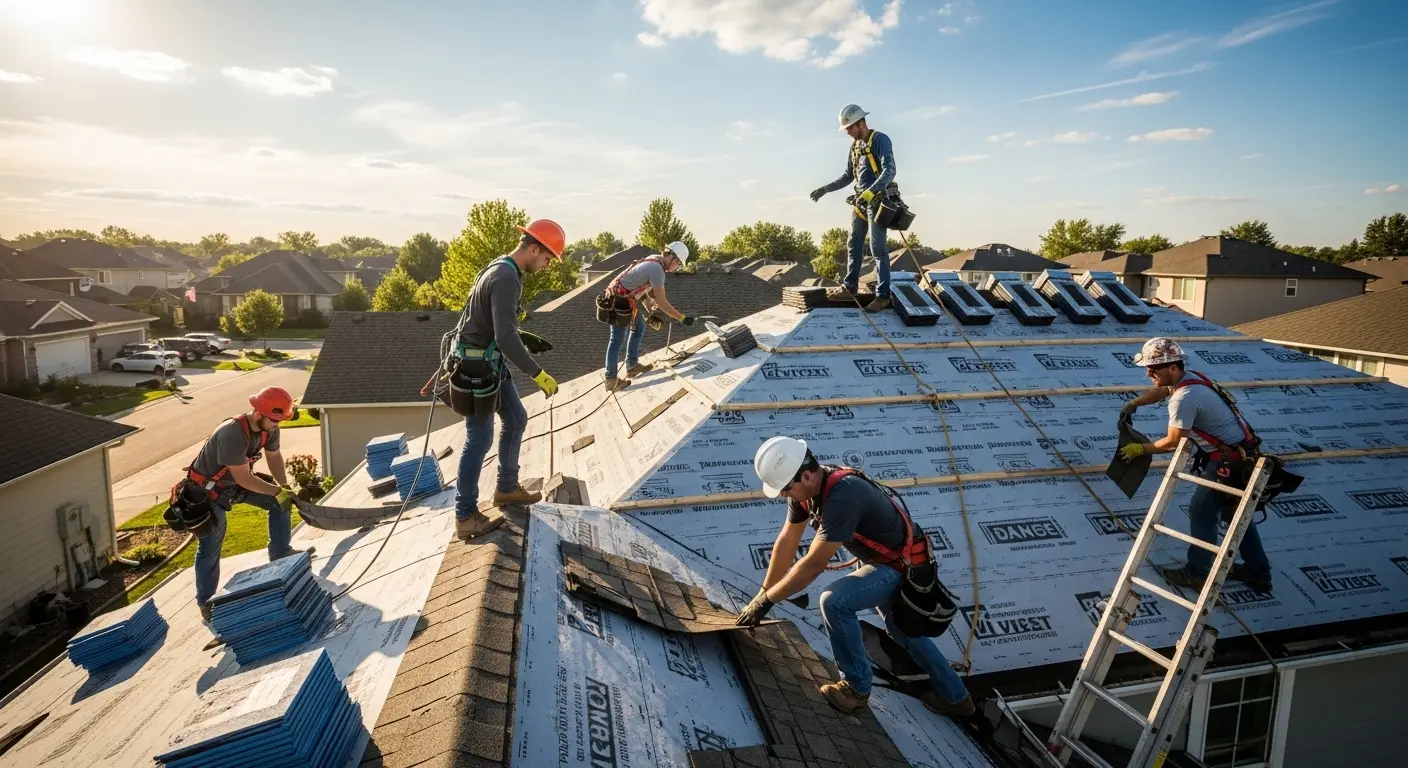
The second is secondary water resistance, which asks whether there is a sealed deck under the covering that would keep water out of the house if the tile came off. A fully self-adhered underlayment applied directly to the deck is what satisfies it. This is the single strongest argument for specifying a self-adhered system whenever you re-lay or replace a tile roof: it is better waterproofing, it is what a mitigation inspector is looking for, and the two benefits are the same money spent once. If your roof is on the older mopped-felt generation, that line is usually a no.
- Roof covering. Permit date plus product approval or NOA for the tile system. Keep the paperwork or the credit is hard to earn.
- Roof deck attachment. The size and spacing of the fasteners holding sheathing to trusses. A re-lay is the one opportunity to improve this, because the deck is exposed.
- Roof-to-wall attachment. Clips or straps rather than toe nails, verified in the attic. Nothing to do with your tile, and usually the biggest single credit on the form.
- Roof geometry. Hip roofs score better than gables. Tile neighborhoods in South Florida are full of hip roofs, which tends to help.
- Secondary water resistance. A sealed deck, which in practice means self-adhered underlayment. Specify it when the tile is off, because that is the only chance you get.
- Opening protection. Impact rated windows and doors or approved shutters on every opening including the garage. Unrelated to the roof and frequently the difference between a good premium and a bad one.
Product approval, NOA and why the HVHZ treats tile as a system
Broward and Miami-Dade sit inside the High Velocity Hurricane Zone, and Palm Beach sits outside it while remaining a high wind design area with requirements of its own. Inside the HVHZ, roofing products are approved through a documented process, and the two terms you will see on paperwork are Florida Product Approval and Notice of Acceptance. An NOA is the Miami-Dade approval document, and it is widely recognized as the more demanding of the two. Either way the number on the document is what ties the material on your roof to a tested, approved assembly.
The critical idea, and the one that trips people up, is that a tile roof is approved as a complete system rather than as a list of parts. The approval covers a particular tile with a particular underlayment and a particular attachment method and particular fasteners, tested together. Substituting a cheaper underlayment under an approved tile, or changing the attachment method to save labor, can take the assembly outside its approval even when every individual component is itself approved for something. That is the practical reason a bid that will not name the specific underlayment system deserves a second look, and it is one of the reasons tile prices spread so widely.
For a homeowner, the takeaway is short. Ask for the product approval or NOA number for the system going on your house, in writing, on the estimate. Keep it with the permit. When a wind mitigation inspector, an adjuster, an underwriter or a buyer's home inspector asks what is on the roof, that number answers the question in a way no photograph can. Across Miami-Dade County in particular, where the NOA process originated, it is the ordinary language of a roofing file rather than an unusual request.
- Florida Product Approval. The statewide approval route. A number that identifies the tested assembly and its limits.
- Notice of Acceptance. The Miami-Dade approval document, generally regarded as the stricter of the two and standard practice inside the HVHZ.
- The approval is for the assembly. Tile, underlayment, attachment and fasteners as tested together. Mixing and matching to save money can put the roof outside it.
- Design pressure and uplift matter by zone. Perimeters, corners and hips see higher uplift than the field of the roof, and approved systems specify enhanced attachment there.
- Palm Beach is not exempt. Outside the HVHZ but still high wind design, with its own product requirements. Ask what applies at your address rather than assuming.
- Ask for the numbers on the estimate. Not after the job. An estimate that names the system is also an estimate that cannot be quietly downgraded later.
Mortar set, foam adhesive or mechanical: what is holding your tile down
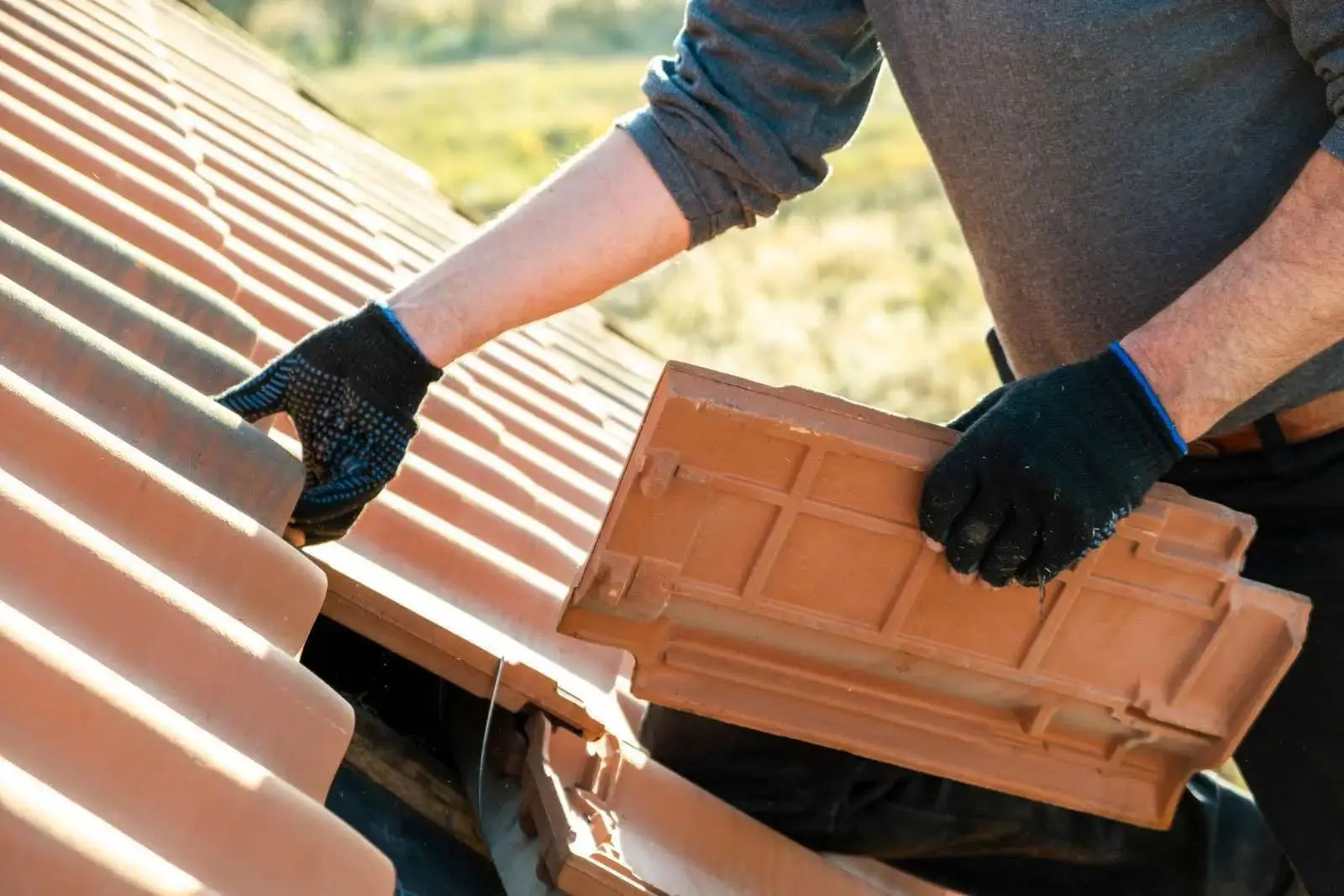
There are three broad ways tile gets attached in South Florida and the differences matter to an inspector, to an adjuster and to how your roof behaves in a wind event. Mortar set is the traditional method, with tile bedded in mortar. It built an enormous number of roofs here and many of them have performed for decades, but mortar is rigid, it cracks with thermal movement, and older mortar-set roofs are where you tend to see displaced tile after a storm. Adhesive foam, a two-part polyurethane applied as a bead under each tile, became common because it bonds well, adds little weight and performs strongly against uplift when installed to its approval. Mechanical attachment means screws or nails through the tile into the deck or battens, often combined with clips at the perimeter, hips and ridges.
Current practice in the HVHZ is not a free choice between them. The approved system dictates the attachment, and modern approvals typically require enhanced attachment at the perimeter zones, corners, hips and ridges where uplift is highest, whichever method the assembly uses. What that means for you is that the attachment on a 1985 roof and the attachment on a 2026 roof are not comparable, even if both were correct in their day.
An inspector cares because attachment is what the covering line and the storm performance actually rest on. A roof with cracked, releasing hip and ridge mortar reads as a wind exposure, and it is one of the most common findings on older tile roofs here. Re-pointing is small maintenance work when it is caught early, and the routine for spotting it is in tile roof maintenance. If enough of the roof is involved that re-pointing stops making sense, you have moved into permitted tile roof work, which is the point at which upgrading the whole assembly usually costs less than doing it twice.
- Mortar set. Traditional, rigid, and the method most likely to be found cracked and releasing on an older South Florida roof.
- Adhesive foam. A two-part polyurethane bead under each tile. Light, strong in uplift when installed to its approval, and now very common here.
- Mechanical. Screws or nails into deck or battens, usually with clips where uplift is highest. Ordinary practice on current HVHZ installations.
- Perimeters and corners get more. Uplift is concentrated at edges, corners, hips and ridges, and approved systems call for enhanced attachment there.
- Loose or missing ridge tile is a finding. It is visible from the ground with binoculars and it is one of the first things an inspector or adjuster notes.
- Battens change the assembly. Whether tile sits on battens or directly on the underlayment affects the approval, the drainage path and the attachment schedule.
The file to keep, and when to get ahead of the letter
Build a roof folder and keep it for as long as you own the house. It should hold the permit number and the closed permit, the final inspection record, the product approval or NOA documentation for the system, the contract and the invoice showing the scope, the manufacturer warranty and the contractor workmanship warranty, the current wind mitigation form, and dated photographs of each plane taken when the work finished. That folder is what turns a slow argument into a short one, and it is worth as much at resale as it is at renewal.
Timing is the other half. Order the wind mitigation inspection after any roof work is finished, never before, because the credits only exist once the features do. Send the updated form to your agent yourself rather than assuming it filters through, and ask for written confirmation that it has been applied. If a non-renewal or a condition letter has already arrived, the two dates on it govern everything and you should read them before you read anything else. Getting estimates, pulling a permit and getting on a crew schedule in the middle of hurricane season takes longer than the letter assumes.
If the roof genuinely needs work, the decision usually comes down to a re-lay against a full roof replacement, and on tile that is a bigger financial gap than people expect. Money should not be what decides it: we offer $0 down, 100 percent financing with no credit check, secured and unsecured, in 10, 20 and 30-year terms with no pre-payment penalty and payments from $65 a month, and the terms are published on our financing page. We hold licenses CCC1337306 and CBC1266379, what a complete job includes is written out on our tile roofing page, and the free inspection comes with an instant roof report and a written estimate with permits and permit fees inside the price. Before hurricane season is also the right moment for the wider check described in the pre-season inspection post. Call 954-893-2550.
- Permit and final inspection. The date an underwriter reads as your roof age. Get the permit closed, and keep proof that it was.
- Product approval or NOA documentation. The identity of the system on your roof. Impossible to reconstruct later if the contractor is gone.
- Wind mitigation form. Ordered after the work, sent to your agent, confirmed in writing as applied.
- Dated photographs of every plane. Taken at completion and again each year. They establish condition before any storm, which is what a claim conversation turns on.
- Warranty paperwork. Manufacturer and workmanship, both, with the terms and the transfer conditions if you may sell.
- Do not let coverage lapse while you sort it out. With a mortgage, a lapse triggers force-placed insurance, which costs more and covers you for less.
Frequently asked
How old can a tile roof be before insurance becomes a problem in Florida?
Later than shingle, because carriers generally treat tile as a hard covering with a longer age threshold. Citizens publishes a considerably later threshold for hard coverings than for soft ones, and private carriers set their own, often stricter, guidelines. The complication is that the age they use comes from the permit record. If your underlayment was replaced under permit, that date is the one in the file.
Does replacing the underlayment reset the age of my roof for insurance?
It generally resets the permit record, because a re-lay is permitted and inspected work with a final inspection date. Carriers differ in how they interpret it and some ask specifically what was and was not replaced, so keep the permit, the final inspection and the product approval documentation. No contractor can promise how a given carrier will treat it, and you should be wary of one who does.
What is an NOA and do I need one for my tile roof?
A Notice of Acceptance is the Miami-Dade product approval document showing that a roofing assembly has been tested and approved, and it is standard inside the High Velocity Hurricane Zone. You do not apply for one yourself, but the system installed on your house should have one, and the number belongs on your estimate and in your paperwork. Inspectors and adjusters ask for it.
Does the way my tile is attached affect my insurance?
Indirectly but genuinely. Attachment is part of the approved system that the roof covering line on a wind mitigation form refers to, and visible problems such as cracked or releasing hip and ridge mortar get recorded as findings. Older mortar-set roofs draw more attention than current mechanically fastened or foam-set installations, and an inspector can usually tell which one you have from the ridge line.
My tile looks perfect but my carrier still wants the roof replaced. Why?
Because they are pricing the age in the permit record, not the appearance of the tile, and on a tile roof the waterproofing under the tile is decades younger or older than the tile itself. Ask the carrier in writing exactly what they are citing. If the underlayment is the issue, a documented re-lay may satisfy them without new tile. Get both positions in writing before spending anything.