

Roof Repair Warranties, Permits and What Insurance Sees
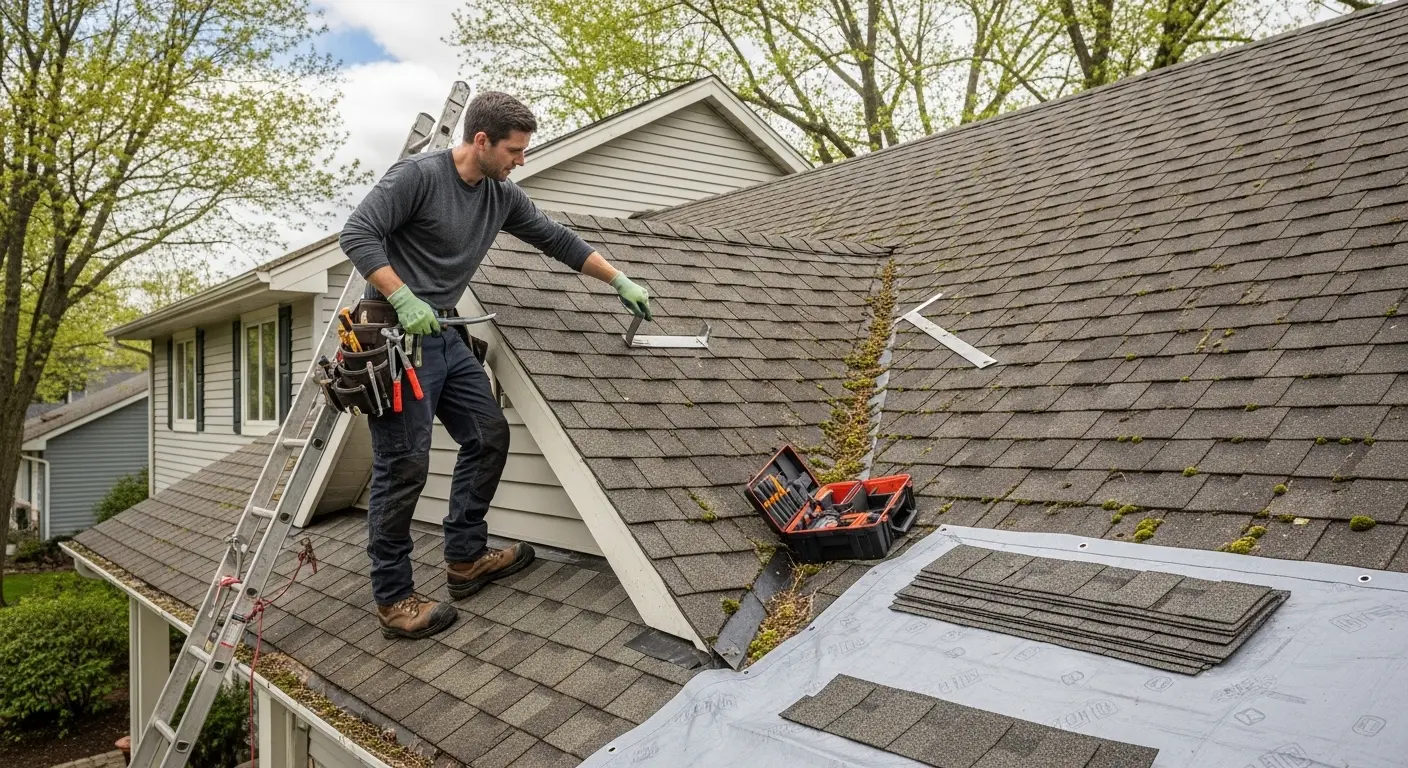
The repair itself is often the small part. Two technicians, a morning, a new pipe boot and a tube of the correct sealant, and the ceiling stops dripping. What follows the house is the paper: whether a permit was pulled and closed, what the warranty on that work actually says, whether the materials were part of an approved system, and whether anyone can prove any of it in four years when you sell the house or file a claim. Homeowners shop repairs on price, which is reasonable, and then discover that the cheapest quote was cheapest partly because it skipped the documentation.
This is not paranoia about paperwork for its own sake. In South Florida the roof is the component your carrier underwrites hardest, your buyer inspects first, and your county keeps a permanent public record of. An undocumented repair is not illegal in some abstract sense; it is a gap that shows up as an open or missing permit at closing, as an underwriting question at renewal, or as a coverage argument when a storm damages the same area the patch was in. Each of those costs real money, and all of them are avoidable at the time the work is done for very little.
So here is the paperwork side of a repair, in the order it matters: what a workmanship warranty covers and for how long, why the permit is the piece that resurfaces years later, how a repair interacts with a manufacturer warranty, what a repair does and does not change on your wind mitigation form, and the folder to keep. None of it makes a claim succeed, and nobody should tell you otherwise. What it does is make sure the argument, if there ever is one, is about the damage rather than about whether you can prove the work happened at all.
The short version
- Workmanship warranties on repairs are commonly one to five years and cover the repaired area only
- A repair does not reset your roof age in an underwriting file; only a full replacement does that
- An unpermitted or open permit surfaces at resale, at refinance and sometimes at claim time
- Manufacturer system warranties can be affected when non-approved materials are introduced by a repair
- A repair rarely changes anything on the wind mitigation form unless it changes a whole-roof feature
What a workmanship warranty on a repair actually covers
Two warranties exist on any roofing work and they come from different places. The manufacturer warrants the material against defects. The contractor warrants the labor, meaning the installation itself, and that second one is what people mean when they ask whether a repair is guaranteed. On a full replacement, contractor workmanship coverage in this market commonly runs somewhere in the five to ten year range, sometimes longer on a system installation. On a repair it is much shorter, and one to five years is the ordinary band. That is not stinginess. A repair is a new detail placed into an assembly of unknown age that the contractor did not install and cannot vouch for.
What it covers is the specific work described in the scope. If we replace a pipe boot on your north slope and that boot leaks eight months later, that is ours. If a different boot forty feet away fails the following spring, that is a new repair, because nobody warranted a part of the roof they did not touch. This is the single most common misunderstanding in the whole subject, and it is why the scope of work document matters so much. A warranty attaches to a described scope, and a vague scope produces a vague warranty. What a real scope contains is laid out in our post on repair pricing.
Get the exclusions in writing too, because they are where the arguments live. Storm and wind events above a stated threshold, damage from other trades walking the roof, pre-existing conditions elsewhere on the roof, ponding on a low-slope section, and anything you or another contractor alters afterward are all commonly excluded. A shop offering a lifetime warranty on a patch is telling you something about their sales approach rather than about the work. Ask for the term, the scope and the exclusions on a single page, and keep it with the invoice.
- Term. Commonly one to five years on repair workmanship in this market. Ask for the number and get it on the invoice or a separate certificate.
- Scope boundary. The warranty covers the described work at the described location, not the roof generally. That boundary should be legible to a stranger.
- Transferability. Ask whether it survives a sale. A transferable warranty is a small selling point and costs the contractor nothing to offer.
- Response commitment. What happens when you call about a recurrence, and within what timeframe someone comes out. Silence here is the tell.
- Exclusions. Named wind or storm thresholds, third-party roof traffic, pre-existing conditions, ponding, later alterations by anyone else.
- Who stands behind it. A licensed, insured Florida contractor with a real address. Ours are CCC1337306 and CBC1266379 at 1118 N 46 Terrace in Hollywood, which is a different proposition from a phone number on a magnetic sign.
The permit is the part that resurfaces years later
Roofing work in Broward and Miami-Dade is permitted and inspected work, and the threshold at which a repair needs a permit is lower than most homeowners assume. Practice differs by municipality, and small maintenance items are generally treated differently from work that opens the covering or the deck, so the right question to your contractor is not whether a permit is needed in general but whether one is needed for this scope in this city. A shop that does roof repair here every week knows the answer for your address without having to think about it.
Two failure modes cause trouble later, and the second is more common than the first. The obvious one is no permit at all, which leaves unpermitted work on a house that a future buyer inspection or a municipal lien search can surface. The subtler one is an open permit: it was pulled properly, the work was done, and nobody ever called for the final inspection. It sits open in the county record indefinitely. Sellers routinely discover open roofing permits during a closing and then have to get them inspected and closed under time pressure, occasionally with the roof having to be partly opened to satisfy an inspector years after the fact.
On the insurance side, a permitted repair is something an underwriter can actually use. When a carrier sends a condition letter demanding you address a roof issue, a closed permit and a documented scope is evidence in a form they recognise, and a hand-written receipt is not. It cuts the other way too: work done without a permit can complicate a later claim in the same area, because the carrier gets to ask whether the loss came from the storm or from unpermitted work of unknown quality. That is a conversation nobody wants to have while their ceiling is open.
- Ask whether this scope needs a permit in this city. Requirements and fees differ by municipality even inside the same county.
- Get the permit number in writing. It belongs on the invoice. You can look it up on the county or city portal yourself.
- Confirm the final inspection happened. Pulled is not closed. Ask for confirmation that the permit was finalled and check the record.
- Emergency tarping is treated differently from repair work in most jurisdictions. The mitigation itself is not the permitted event, the repair that follows it is, which is one reason to keep tarp photographs and receipts separately.
- Beware the quote with no permit line. If nobody mentions permitting on a scope that clearly needs it, the saving you are being shown is a liability you are being handed.
How a repair touches a manufacturer system warranty
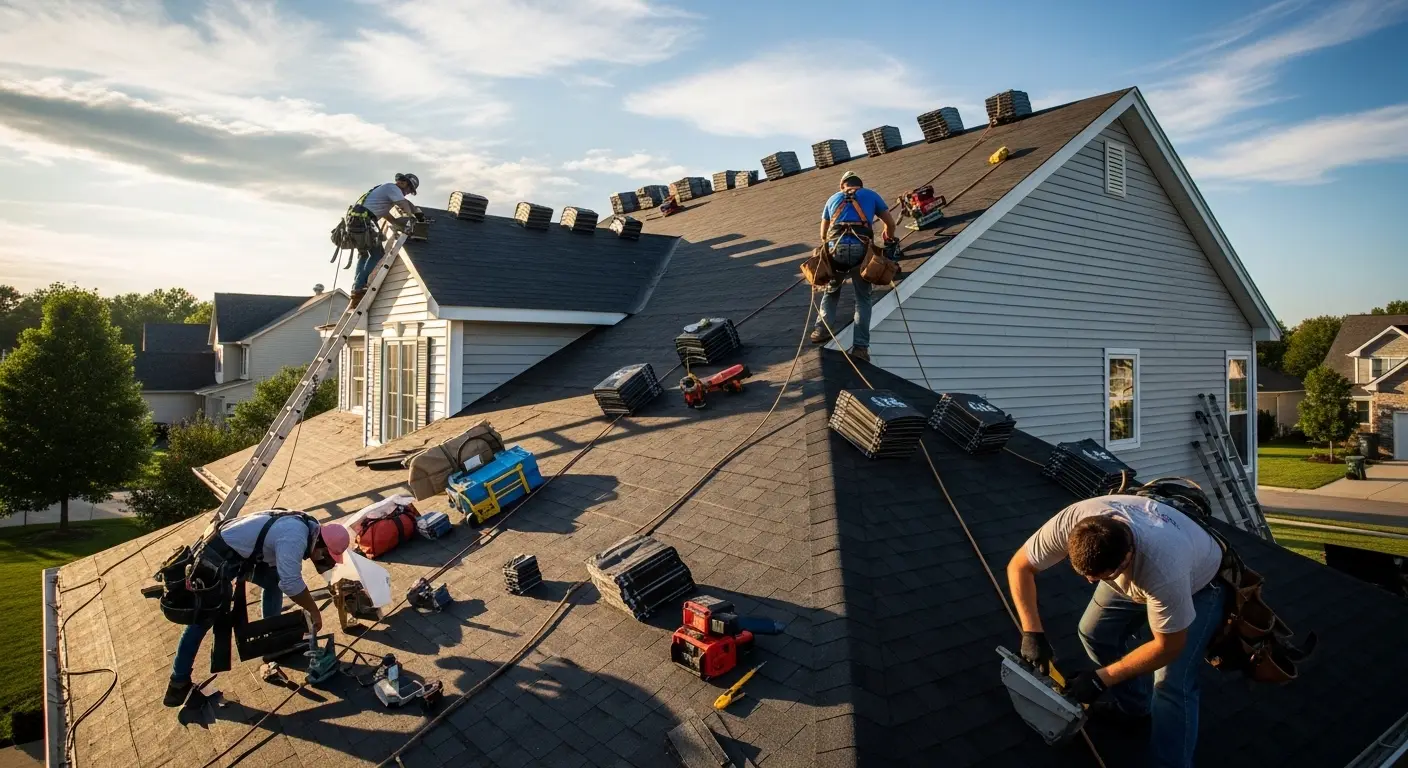
Manufacturer coverage on roofing comes in two shapes. A material warranty covers the product against manufacturing defect, is usually included, and is generally prorated after an early full-value period. A system or enhanced warranty is a different animal: the manufacturer covers the assembly, sometimes including labor, on the condition that the whole system came from their approved line and was installed by a contractor they certify. Those are registered after installation, and plenty of homeowners have one without knowing it because nobody explained it at the time.
Repair work can interact with either. Introducing a non-approved component into a system-warranted roof, an off-brand underlayment patch, the wrong sealant, a substituted flashing, can put the affected area outside what the manufacturer agreed to cover, and some programmes require that service work be performed by a certified contractor to preserve coverage. This is not usually catastrophic and it is rarely a whole-roof cancellation, but it is worth thirty seconds of asking before the work rather than a discovery afterward. The question to your contractor is simple: is there a system warranty on this roof, and does what you are proposing stay inside it.
Two practical notes. First, dig out the original paperwork before you authorise repair work, because if a warranty exists the claim path may run through the manufacturer or the original installer rather than through you paying for a repair at all. Second, if the roof is tile, understand that the manufacturer warranty on the tile and the condition of the membrane beneath it are separate questions, and the tile outliving its underlayment by decades is normal. Cracked and broken tile covers where that line sits, and the leak location map covers which details are most likely to be the thing you are repairing in the first place.
- Material warranty. Covers manufacturing defect on the product. Usually included, usually prorated after an initial period, and rarely the thing that fails.
- System or enhanced warranty. Covers the assembly and sometimes labor, requires approved components and a certified installer, and has to be registered.
- Matching components matter. A substituted underlayment or sealant in a system-warranted roof can put that area outside the coverage.
- Who may service it. Some programmes require a certified contractor for repairs. Confirm before you pick on price alone.
- On tile, keep the two clocks separate. The tile warranty and the underlayment service life are different numbers and the second one is always shorter.
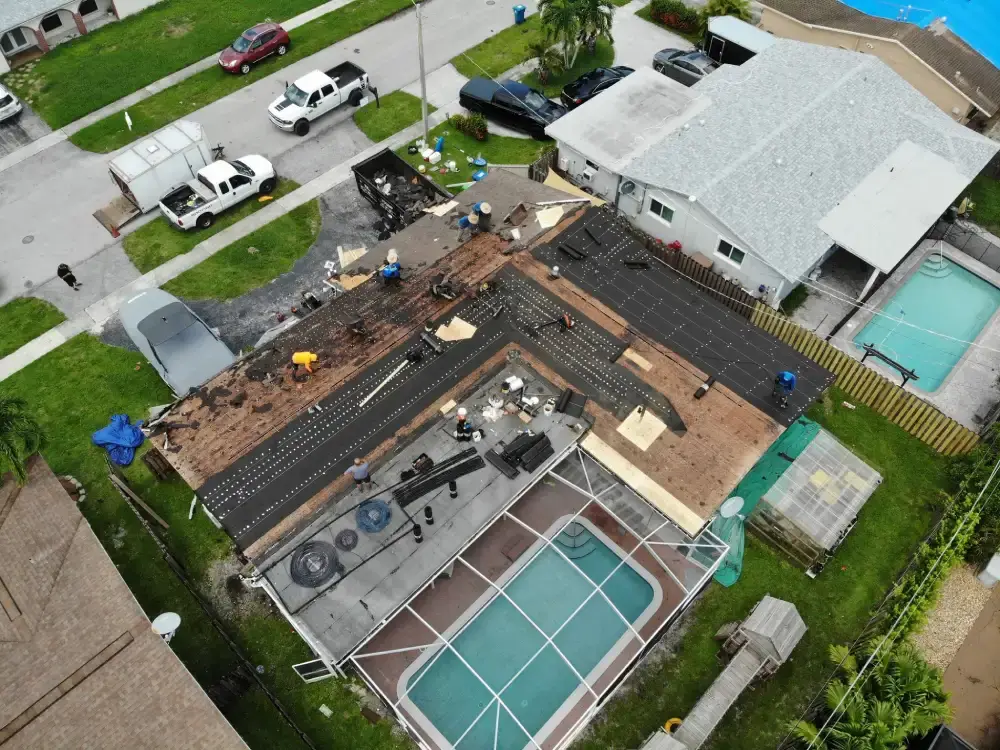
Roof age in an underwriting file is measured from the last full replacement of the roof surface, not from your most recent repair. Redoing a slope, replacing twenty tiles or rebuilding a valley does not move that date. It is worth knowing before you spend money expecting a renewal decision to change.
Wind mitigation: what a repair changes and what it does not
The wind mitigation inspection records specific construction features on a standardised state form, and every Florida carrier reads that form the same way. Roof covering and its approval, roof deck attachment, roof-to-wall attachment, roof geometry, secondary water resistance and opening protection are the items on it, and each maps to a premium credit. We wrote up the whole form and how carriers use it in the post on Florida insurance roof requirements, so this section only deals with the repair question.
The short answer is that most repairs change nothing on that form, because the form describes whole-roof characteristics. Replacing three pipe boots does not alter your deck attachment. Re-pointing a hip does not change your roof geometry. Rebuilding a valley does not give you secondary water resistance, because that credit requires a sealed deck across the entire roof rather than one improved area. Homeowners occasionally pay for a fresh wind mitigation inspection after a repair hoping for a credit and get an identical form back, minus the inspection fee.
There are narrow exceptions worth knowing. If a repair involves replacing enough decking that the whole deck ends up re-nailed to current fastening requirements, or if the roof covering line changes because a section was rebuilt with a different approved product, that can matter and it is worth asking the inspector. And where Florida Building Code limits on how much of a roof section may be repaired in a twelve-month period pull the entire section up to current requirements, you may end up with genuine whole-roof improvements as a byproduct. That threshold, and how permit history affects it, is discussed in our post on storm damage and roof leaks.
- Roof age is unchanged by a repair. The underwriting clock runs from the last full replacement of the roof surface.
- Secondary water resistance is all-or-nothing. A sealed deck credit describes the whole roof, not the section you fixed.
- Opening protection has nothing to do with the roof and is frequently the largest credit available. That is a shutters and impact window conversation.
- Send the updated form to your agent. Credits are not applied retroactively because the features exist. Somebody has to file the paperwork.
The folder that holds up years later
Keep one folder per roof, digital and backed up, and put everything in it at the time rather than reconstructing it later. The test is simple: could a stranger, an adjuster, an underwriter, a buyer or their inspector, open this folder in five years and understand exactly what was done, by whom, under what authority and with what materials? If yes, you have documentation. If it is a credit card statement and a memory, you have a story.
The items that carry the most weight are the ones people throw away. Photographs of the damage before the repair and of the finished work. The permit number and evidence that it was finalled. The scope of work naming the location, the cause and the materials by product name, including Florida Product Approval or Notice of Acceptance numbers where the assembly is inside the High Velocity Hurricane Zone. The warranty certificate with its term and exclusions. The contractor licence number. And the date, which sounds trivial until a carrier asks whether the repair preceded or followed a named storm.
None of this makes a claim succeed, and nobody should promise you that it will. What it does is remove the arguments that have nothing to do with the merits: whether the work happened, whether it was done by a licensed contractor, whether it was permitted, and what it consisted of. That is worth a folder. If you want a documented starting point, we inspect, photograph and write a free estimate with permits and permit fees included, and if the answer turns out to be bigger than a repair, the repair-or-replace decision and our $0 down financing with no credit check are both worth reading before you commit. Call 954-893-2550 or book the visit.
- Before and after photographs, wide and close, with the entry point visible and not just the finished surface.
- Permit number plus proof it was closed. Screenshot the county or city portal record showing the final inspection.
- The written scope naming location, cause, materials and product approval numbers. This is what a warranty and a claim both hang on.
- The warranty certificate with term, scope, exclusions and whether it transfers with the house.
- Contractor licence and insurance certificate as of the work date, not as of today.
- An inspection record on a schedule. Annual roof maintenance visits with dated photographs are the cheapest evidence there is that a roof was cared for, and they keep the repair list short.
Frequently asked
How long is a warranty on a roof repair?
Commonly one to five years on the workmanship in this market, which is shorter than the five to ten years typical on a full replacement. The reason is that a repair inserts new work into an existing assembly the contractor did not install. It also covers only the described scope at the described location, not the roof generally. Get the term and the exclusions in writing on the invoice.
Do I need a permit for a small roof repair in Florida?
Often, yes, and the threshold is lower than most homeowners expect in Broward and Miami-Dade. Requirements and fees vary by municipality, and minor maintenance is generally treated differently from work that opens the covering or the deck. Ask your contractor whether this specific scope needs one at your address, and make sure the permit is finalled rather than left open.
Can an unpermitted roof repair affect my insurance claim?
It can complicate one. If a later loss occurs in the same area, an unpermitted repair of unknown quality gives the carrier a question to ask about causation, and you have no documentation to answer it with. It also surfaces at resale and refinance when a buyer inspection or a lien search finds unpermitted or open work. Nobody can promise a claim outcome either way, which is the point of keeping records.
Will fixing my roof lower my homeowners insurance?
Usually not by itself. Premium credits come from the wind mitigation form, which describes whole-roof features, and most repairs do not change any line on it. What a documented, permitted repair does is satisfy a carrier condition letter and remove a reason for non-renewal, which is often the more valuable outcome. A full replacement is what resets the roof age an underwriter sees.
Does a roof repair reset my roof age for insurance purposes?
No. Roof age is generally measured from the last date the entire roof surface was built or replaced, so redoing one slope or rebuilding a valley does not make the roof newer in an underwriting file. That is worth knowing before spending money on repairs expecting a renewal decision to change. If age is the actual problem, repairs will not solve it and only a replacement will.