
The Mile Closest to the Water Changes Every Spec on the Page
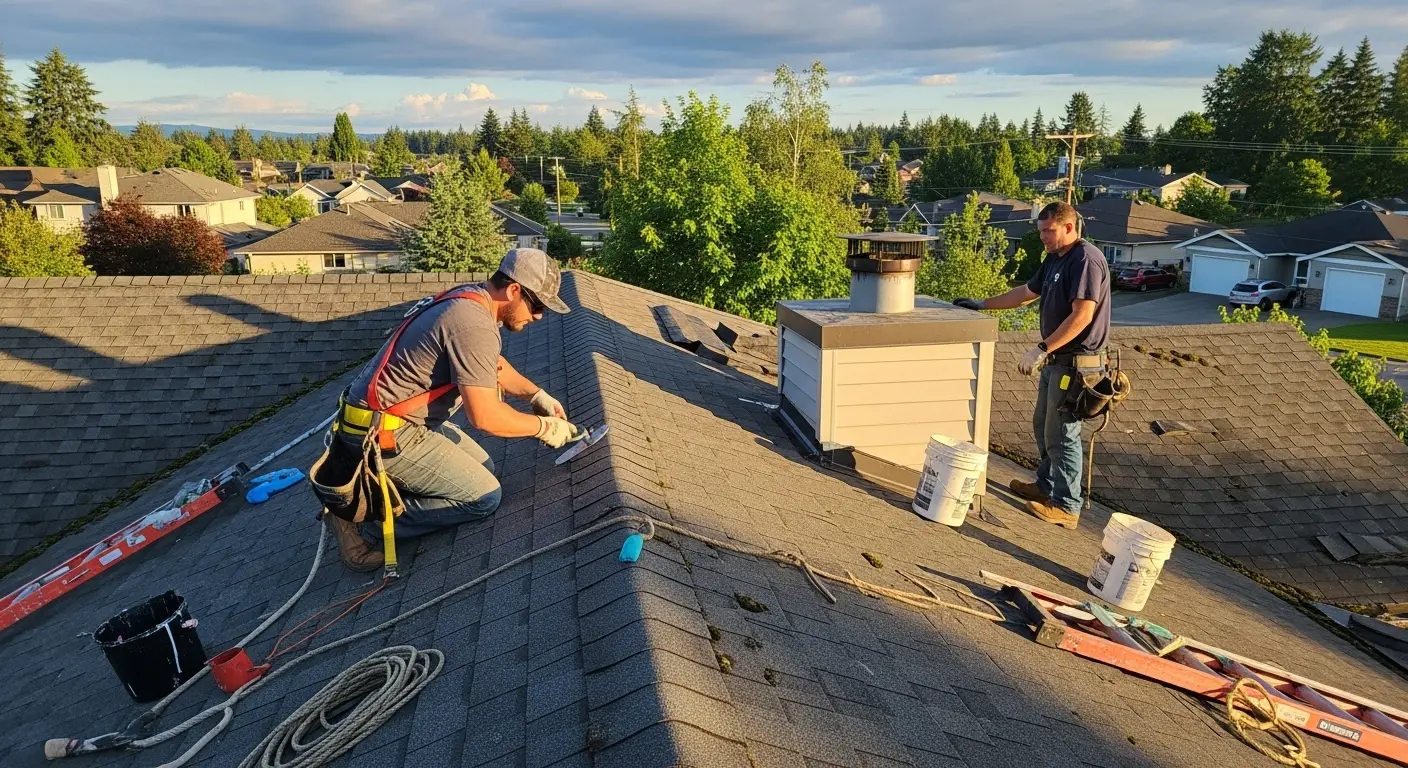
Salt air is not weather. It is a chemical exposure that runs continuously, twenty-four hours a day, for as long as the roof is on the house. Airborne chloride settles on every surface, hides in the places rain never reaches, and attacks metal at scratches, cut edges, drilled holes and any point where two different metals touch. Distance from open water is the variable that matters most, and it drops off fast: a house on a barrier island lives in a fundamentally different environment from one four miles inland, even though both of them are in the same county and both owners are reading the same brochure.
This is the reason a metal roof specification that is entirely sensible in Weston can be a mistake in a beachfront block, and why the correct answer on a coastal lot is often a more expensive panel than the salesman led with. It is also the reason a warranty document can look generous and contain a clause, three pages in, that quietly removes your house from coverage because of where it sits. Not because anyone is being dishonest. Manufacturers publish those limits openly. Homeowners simply never read that far, and plenty of contractors never mention it.
So this post is about metal in a chloride environment. What separates aluminum from Galvalume and from ordinary galvanized steel, what a paint finish warranty actually promises and what it excludes, why the fasteners and flashings almost always corrode before the panels do, how galvanic corrosion works when dissimilar metals share a wet surface, and what the published distance-to-salt-water clauses mean for you. Read it and you will ask better questions than the estimate is designed to answer.
The short version
- Aluminum does not rust, which is why it is the default recommendation on a lot close to open water
- Galvalume is an aluminum-zinc coated steel, and it is still steel at every cut edge, drilled hole and scratch
- A PVDF finish warranty covers chalk, fade and film integrity, not corrosion of the metal underneath it
- Fasteners, clips, trim and flashings commonly corrode years before any panel does
- Most manufacturers publish a distance-to-salt-water exclusion, and it is where coastal warranties quietly end
Aluminum, Galvalume and galvanized are three different bets
Aluminum does not rust. It forms a thin, tightly bonded oxide layer the moment it meets air, and that layer reforms instantly wherever the surface is cut or scratched. In a chloride environment it can develop shallow surface pitting and it will discolor, but it does not undercut and flake the way corroding steel does, and a scratch on an aluminum panel is not the beginning of a failure. That single property is why it is the panel we quote on barrier islands, on direct-exposure coastal lots and anywhere the salt spray is visible on car paint. It costs meaningfully more than steel and near the water it is worth it.
Galvalume is a steel panel with a metallic coating that is roughly 55 percent aluminum and 43 percent zinc, specified by coating weight as AZ50 or the heavier AZ55. It is an excellent product, stiffer than aluminum and cheaper, and it performs very well a few miles inland. The important qualification is that it is still steel underneath. At a cut edge, a drilled hole or a deep scratch, the base metal is exposed, and while the zinc in the coating offers some sacrificial protection at those edges, chloride consumes that protection faster than a clean inland atmosphere does. Ordinary galvanized steel, coated with zinc alone, gives up sooner still and is not a serious residential roofing choice on the coast.
The practical framing is not which metal is best but how far you live from open water. Inside roughly a mile of the Atlantic or the Intracoastal, and especially in the first few blocks, aluminum is the specification that answers the environment. From there inland Galvalume is a strong, cost-effective panel and the money is better spent on gauge or finish. If you are still weighing metal against the other materials at all, the wider comparison sits in tile versus metal versus shingle, and what each choice does to the price is in the metal roof cost breakdown. On coastal metal roofing we would rather quote the right substrate than win on a number.
- Aluminum. Does not rust, self-passivating at cut edges and scratches, the default recommendation close to open water. Commonly .032 or .040 thickness on residential panels.
- Galvalume AZ50 and AZ55. Aluminum-zinc coated steel, with AZ55 carrying the heavier coating weight. Excellent inland, still steel at every cut edge.
- Galvanized steel. Zinc coating alone. It has a place in industrial and agricultural work and it is not what we would put on a coastal house.
- Cut edges are the tell. Every panel end, every hole and every field-cut trim piece exposes base metal. On aluminum that is a non-event and on steel it is where the clock starts.
- Stiffness versus corrosion. Steel spans better for the same thickness, aluminum survives chloride better. On the coast the corrosion argument wins and gauge makes up the stiffness.
- Ask the distance question first. How far is this house from open water, and what does that mean for the substrate you are quoting me. It should be the first thing discussed, not the last.
Pull up a map and find the straight-line distance from your roof to the ocean or the nearest stretch of Intracoastal. That single number drives the substrate, the fastener metallurgy, the finish and the terms of every warranty you will be handed. Ask any contractor to state it in writing on the estimate.
Coatings, and what a finish warranty actually covers
The paint on a metal panel is a factory-applied coil coating, not something brushed on afterward, and there are two tiers in ordinary residential use. Silicone-modified polyester, sold as SMP, is the value finish and it is genuinely serviceable. A PVDF-class finish, known to most people by the Kynar 500 name, uses a resin that holds pigment and gloss far better under ultraviolet load, and in South Florida sun that difference is visible long before the roof is old. The upcharge is modest against the total cost of the job, which is why it is the single upgrade we push hardest for on any roof the street can see.
Now read what the warranty promises, because this is where homeowners are surprised. A finish warranty typically covers three things: chalking beyond a stated rating, color fade beyond a stated number of units, and film integrity, meaning the paint will not crack, check or peel. That is a paint warranty. It says nothing about the metal underneath it. Corrosion of the substrate is covered by a separate substrate warranty against perforation, with its own term, its own conditions and its own exclusions. Two documents, two subjects, and a coastal exclusion can appear in either one.
The other fine print worth knowing: most of these warranties are prorated, so what you would actually recover in year twenty is a fraction of the original value. Many require registration within a set window after installation, and an unregistered warranty is frequently no warranty. Almost all exclude damage from standing water, from incompatible materials in contact with the panel, and from failure to perform the maintenance the manufacturer specifies. None of that makes the warranty worthless. It makes it a document to read before signing rather than a comfort blanket to file unread, and to keep with the rest of the paperwork on a metal roof for as long as you own the house.
- PVDF or Kynar-class finish. The resin system that holds color and gloss in high ultraviolet. The upgrade with the best return on a visible roof.
- SMP finish. The value option. Serviceable, and it chalks and fades sooner in this sun than a PVDF finish will.
- Finish warranty covers paint. Chalk, fade and film integrity to stated limits. It is not a corrosion warranty and it never was.
- Substrate warranty covers perforation. A separate document about the metal itself, with its own term and its own coastal conditions.
- Registration windows are real. Many warranties require registration soon after installation. Ask who files it and get confirmation that it was filed.
- Prorated is the norm. A thirty-year warranty rarely pays thirty-year money in year twenty-five. Read the schedule before you weigh it in a purchase decision.
The fasteners and flashings go first, not the panels
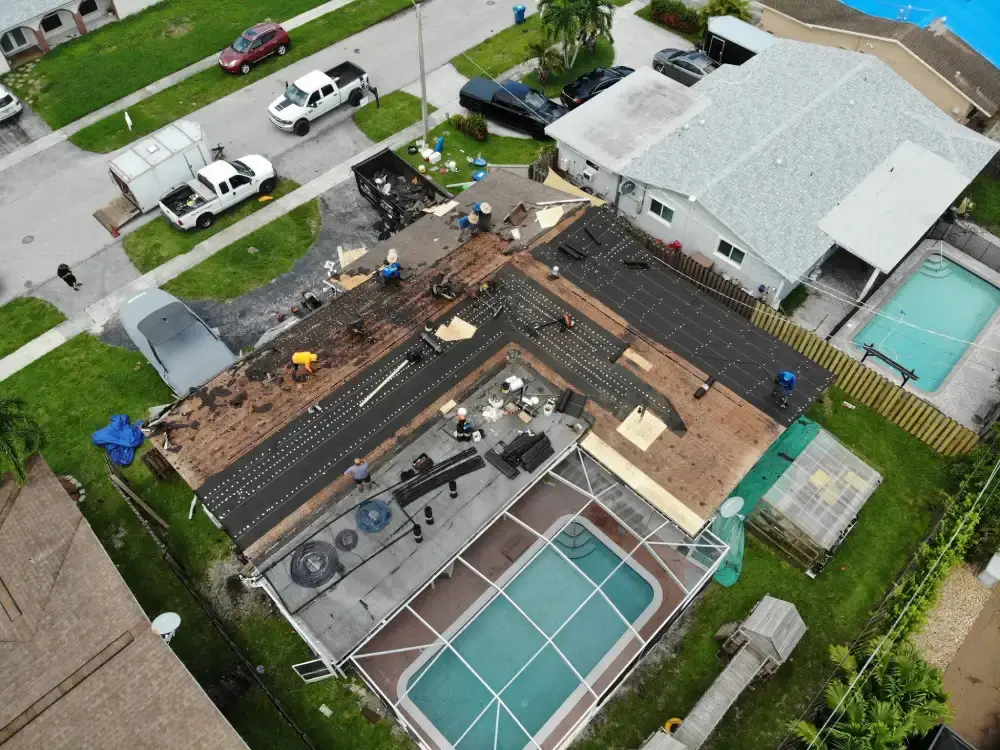
Walk a twenty-year-old coastal metal roof and the panels are frequently in good order while the small metal parts are not. There is a reason for that. Panels are the thickest, best-coated, most carefully specified component on the roof, and everything else is an afterthought on too many jobs: screws, clips, cleats, drip edge, valley metal, vent flanges, gutter straps, wall ties and the pop rivets in a trim joint. Those parts are smaller, they hold water at their edges, they sit in the seams where salt collects, and if any one of them is the wrong alloy it will corrode on its own schedule regardless of how good the panel is.
The specification that answers this is stainless steel fasteners, meaning 300-series material, with the more chloride-resistant grades reserved for direct coastal exposure. Plain carbon steel screws with a plated or organic coating are ordinary inland practice and they are a poor choice within sight of the water, because the coating is compromised the moment the drill point cuts the panel. The same logic applies to clips and to every piece of formed trim: matching the trim substrate and finish to the panel is not an aesthetic preference near salt, it is corrosion engineering. That is what we mean when we say the whole assembly on a coastal metal roof has to be specified for the address rather than for the catalog.
The failure is also easy to spot early if anyone looks. Rust staining that streaks down from a fastener or a flashing joint is the first visible symptom, and it means the small part is going before the big one. Caught at that stage it is a fastener and flashing replacement rather than a roof. Caught five years later, the water that has been tracking into the deck around those parts has usually turned it into something larger, and the price of that is in what roof leak repair costs here. On the exposed-fastener systems described in the panel comparison, this inspection is not optional maintenance, it is the maintenance plan.
- Stainless fasteners near salt. 300-series material, with the higher chloride-resistant grade specified on direct coastal exposure. Not plated carbon steel.
- Trim and flashing match the panel. Same substrate family, same finish. Mixed materials at a flashing is a corrosion cell you paid to install.
- Watch the small parts. Vent flanges, gutter straps, wall ties, rivets and cleats corrode long before a panel does, and they are cheap to replace early.
- Rust streaks are a diagnosis. Staining running down from a screw or a joint means the fastener is going. That is a service call, not a re-roof, if you catch it.
- Field cuts need attention. Every cut edge and drilled hole exposes base metal on a steel panel. Swarf left on the roof from cutting rusts and stains the finish, so it gets swept off the same day.
- Gutters are part of the system. Aluminum gutters, aluminum hangers and the right screws, because a corroding gutter attachment takes the fascia and the edge metal with it.
Galvanic corrosion: what must never touch what
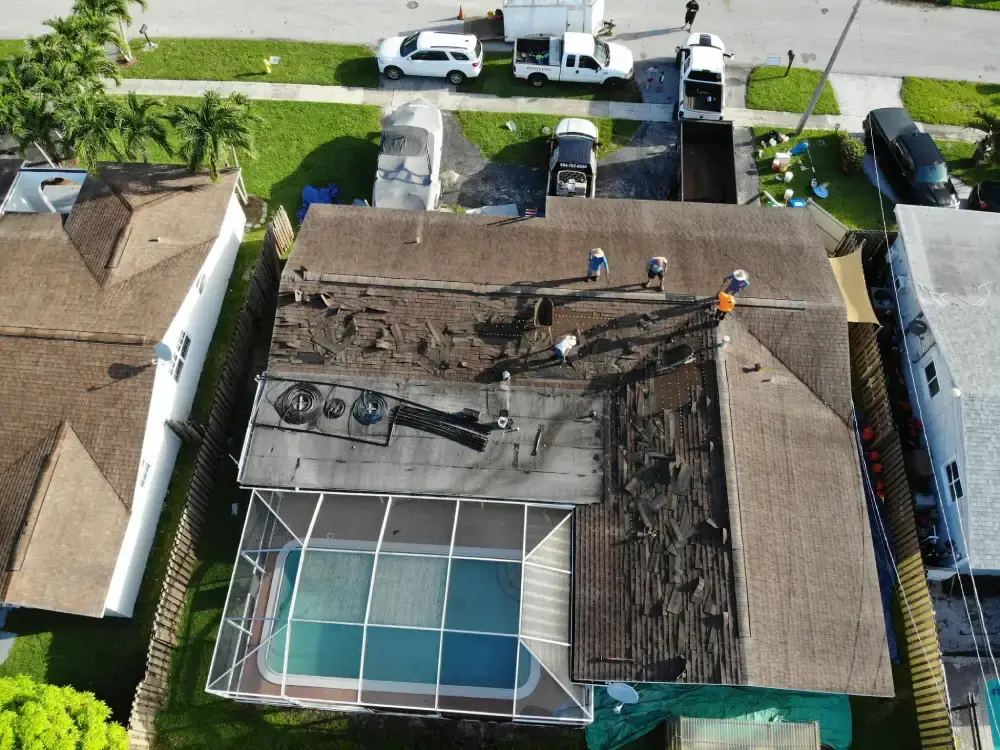
Put two dissimilar metals in contact where they can stay wet, and you have built a battery. One of them becomes the anode and corrodes preferentially while the other is protected, and salt water is an excellent electrolyte, so a coastal roof runs that reaction efficiently. The metals sit in a known order, and the further apart two of them are in that order the more aggressive the reaction. This is not obscure chemistry. It is the reason a roof can fail at one specific joint while everything around it is fine, and it is the most common avoidable defect we find on older coastal metal roofs.
The pairs that cause trouble here are predictable. Copper against aluminum or against Galvalume is the classic one, and it does not even require contact: rainwater running off a copper flashing, a copper vent or a copper gutter onto a downslope panel carries enough copper with it to start pitting. Lead flashings against aluminum behave the same way. Pressure-treated lumber is chemically aggressive to both aluminum and zinc coatings, so any panel, clip or fastener bearing on treated blocking needs a barrier or a stainless fastener. And plain steel screws in an aluminum panel are a galvanic pair somebody installed on purpose.
The fixes are simple and they are all decided before the roof goes on. Keep incompatible metals out of contact, and keep the runoff from one off the surface of the other. Isolate with a butyl tape, a coated separator or a compatible underlayment layer where contact is unavoidable. Specify fasteners compatible with the panel. Route condensate lines and downspouts so runoff from one metal does not sheet across another. None of this costs meaningful money at installation and all of it is expensive to correct afterward, which is why it belongs in the same conversation as the approvals and attachment schedule rather than being discovered on a service call in Pompano Beach eleven years later.
- Copper and aluminum. Keep them apart and keep copper out of the drainage path above any aluminum or Galvalume surface. Runoff alone is enough.
- Lead and aluminum. Traditional lead pipe boots do not belong on an aluminum roof. Use a compatible boot or an isolated detail.
- Treated lumber. Chemically aggressive to aluminum and zinc coatings. Isolate the metal from the wood or use fasteners rated for contact with it.
- Carbon steel screws in aluminum panels. A galvanic pair installed deliberately. Stainless is the standard answer near salt.
- Isolation where contact is unavoidable. Butyl tape, a coated separator or an underlayment layer between the two metals, specified rather than improvised.
- Air conditioning and appliance runoff. Condensate lines dripping onto a panel and copper refrigerant lines lying on the roof are both routine causes of a stain that becomes a hole.
Panel, clips, screws, drip edge, valley metal, vent flanges, pipe boots, gutter hangers and rivets. On a coastal roof any one of them in the wrong alloy will corrode on its own schedule and take the assembly around it down with it. A contractor who can answer that list is one who has thought about your address.
Distance exclusions, rinsing, and the maintenance that genuinely helps
Manufacturers publish coastal limits and they are worded as exclusions rather than as advice. The most common form is a stated distance from salt water inside which the warranty does not apply, or applies only on a reduced term or a restricted product list. That distance varies by manufacturer and by product, and it is commonly written as a number of feet from the shoreline or as a fraction of a mile, sometimes with additional language about direct exposure to salt spray or line of sight to open water. Some manufacturers offer a coastal-specific warranty for an additional cost. Some simply decline the exposure. Both are legitimate positions and neither is disclosed unless you ask.
So ask three questions and get the answers in writing. What is the published distance limit for this exact panel, substrate and finish. Where does my house fall relative to it. And what exactly changes about my coverage at that distance. A contractor who cannot answer is not necessarily hiding anything, but they are guessing on your behalf about the most consequential clause in the document, and the person who eventually pays for the guess is you. This is the same discipline that applies to approvals and insurance paperwork, and the carrier side of it is covered in the insurance post in this series.
Maintenance on a coastal roof is genuinely useful and it is undramatic. Rain rinses the exposed planes reasonably well, but it never touches the sheltered surfaces, which is exactly where chloride accumulates: under wide overhangs, on the underside of eave trim, behind gutters, in the panel ribs at the eave, and on any wall-adjacent flashing tucked under a soffit. Those areas want a fresh water rinse periodically, commonly quarterly near the water and at least twice a year further back, plus a mild detergent wash annually if the manufacturer allows it. Add an annual look at the fasteners, the flashings and the sealant joints, ideally as part of the same visit as the pre-season check described in the hurricane season inspection, and touch up any deep scratch on a steel panel with the manufacturer paint rather than leaving base metal open.
- Get the distance limit in writing. The published exclusion for the exact panel, substrate and finish quoted, and where your address sits relative to it.
- Rinse what the rain misses. Under overhangs, behind gutters, eave trim undersides and the panel ribs, where leaves and needles hold salt against the metal. Quarterly close to the water, twice a year further inland.
- Touch up cut edges and deep scratches. Manufacturer touch-up paint on a steel panel, applied thinly. On aluminum it is cosmetic rather than urgent.
- Annual fastener and flashing check. Fifteen minutes with a trained eye finds rust streaking and failing sealant while both are still small. Book it with your other roof maintenance.
- Keep the documents together. Panel and finish specification, approval number, warranty registrations and the maintenance you performed. Warranty claims turn on records more than on argument.
- Get the specification written for your address. We measure at no cost, produce an instant roof report and put the substrate, finish and fastener metallurgy in a written estimate with permits included. Call 954-893-2550 or book the inspection, and the full scope is on our metal roofing page.
Frequently asked
Is aluminum or Galvalume better for a metal roof near the ocean?
Aluminum, without much argument, inside roughly a mile of open water. It does not rust, so a scratch, a cut edge or a drilled hole does not start a corrosion failure the way it does on steel. Galvalume is an excellent and less expensive panel that performs well further inland, but it is still steel wherever the coating is interrupted, and chloride finds those places quickly.
Does a Kynar or PVDF warranty cover rust?
No. A finish warranty covers the paint: chalking beyond a stated rating, fading beyond a stated number of units, and film integrity such as cracking or peeling. Corrosion of the metal beneath the paint is covered by a separate substrate warranty against perforation, with its own term and its own exclusions. Coastal distance limits can appear in either document, so read both.
How close to salt water can I install a metal roof?
As close as you like, but the warranty terms change and sometimes disappear. Manufacturers publish a distance-to-salt-water exclusion, commonly expressed as a number of feet from the shoreline or a fraction of a mile, and some offer a coastal-specific warranty at additional cost. Ask for the published limit for the exact panel, substrate and finish being quoted, and where your address sits relative to it.
Why is my metal roof rusting at the screws and not on the panels?
Because the fasteners are usually the least corrosion-resistant component on the roof. Plated carbon steel screws lose their coating at the drill point the moment they cut the panel, and salt does the rest. Near the water the correct specification is 300-series stainless, with the more chloride-resistant grade on direct exposure. Rust streaking from a screw is a service call, and it is cheap compared to what follows.
Do I really need to rinse a metal roof?
On the sheltered areas, yes, and it makes a measurable difference near the coast. Rain washes the open planes but never reaches under overhangs, behind gutters, the undersides of eave trim or the panel ribs, which is precisely where chloride collects. A fresh water rinse quarterly close to the water and at least twice a year further back, plus an annual look at the fasteners, is the whole program.